

Scottish salmon is enjoyed in homes and restaurants around the world. It is the UK’s most popular fish, and a great source of protein and vitamins. We know people want to understand where their food comes from, how it is produced, and the standards behind it.
Here are the facts about how Scottish salmon is raised.

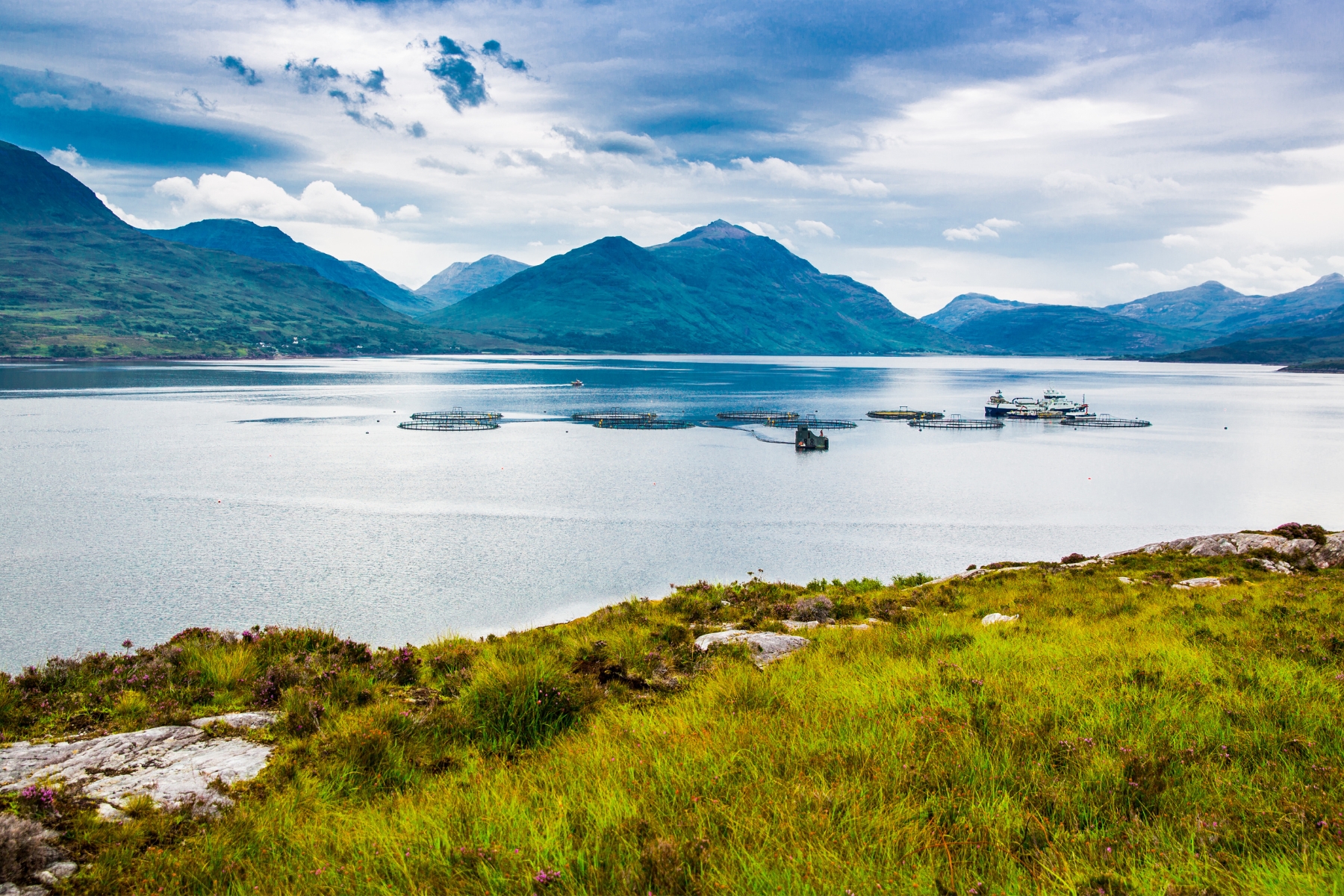
Salmon farmers take environmental stewardship very seriously.
Salmon need the highest quality water and environment to thrive. Looking after Scotland’s coastal waters is therefore not only the right thing to do, but fundamental to raising healthy salmon.
Environmental stewardship sits at the heart of Scottish salmon farming. Farms operate within clearly defined environmental limits, supported by modelling, monitoring, and fallowing to protect seabed and water quality.
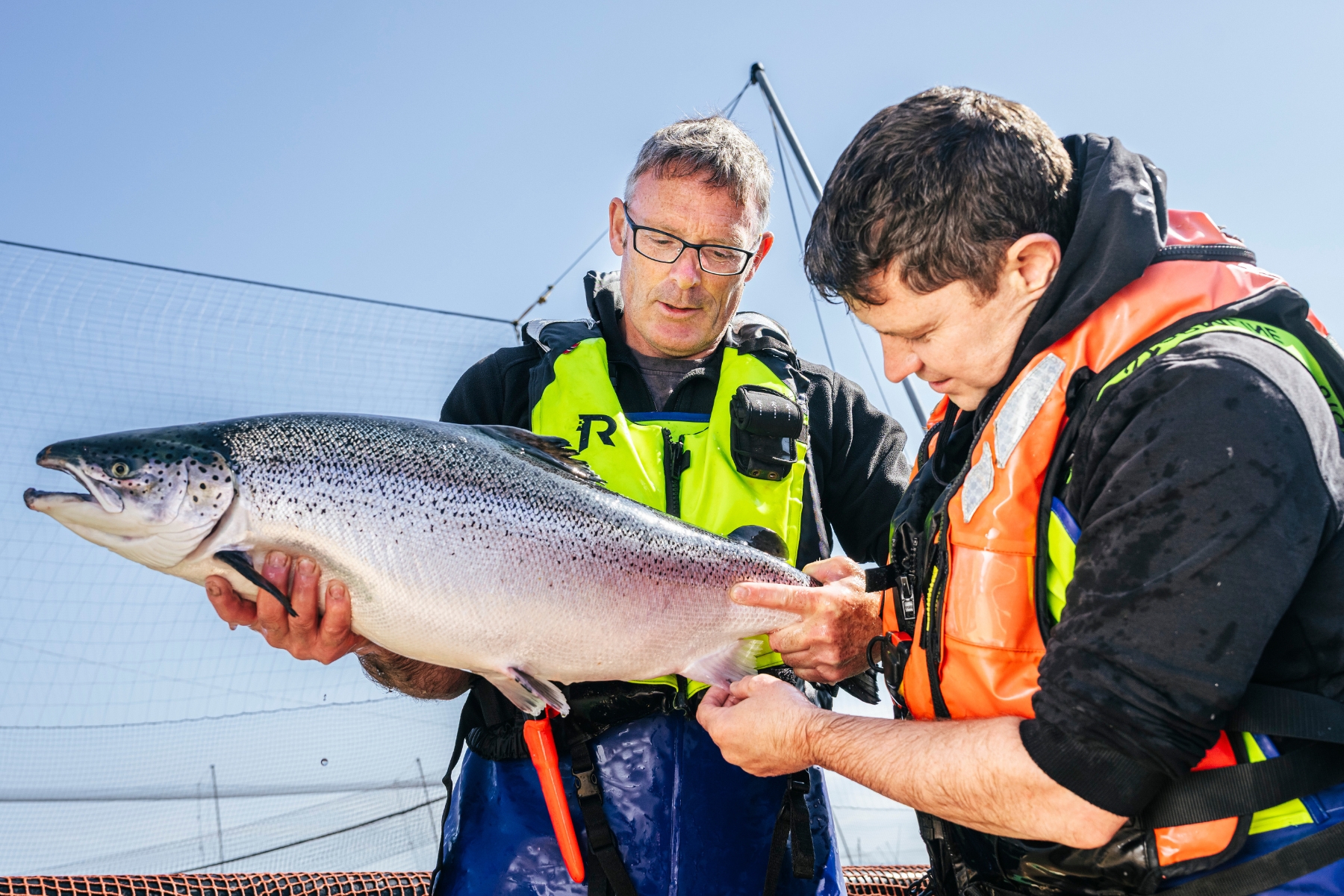
- Scottish salmon farming is one of the most transparent livestock sectors in the UK, with extensive environmental, health, and production information published for individual farms.
- Salmon farming has a relatively small physical footprint. The combined surface area of all consented salmon pens in Scotland is just over two square kilometres – a little more than half the size of Edinburgh Airport.
- Like all fish, farm-raised salmon naturally produce organic waste. Farms are carefully located and regulated, with the seabed and surrounding environment monitored to ensure they operate within strict environmental limits.
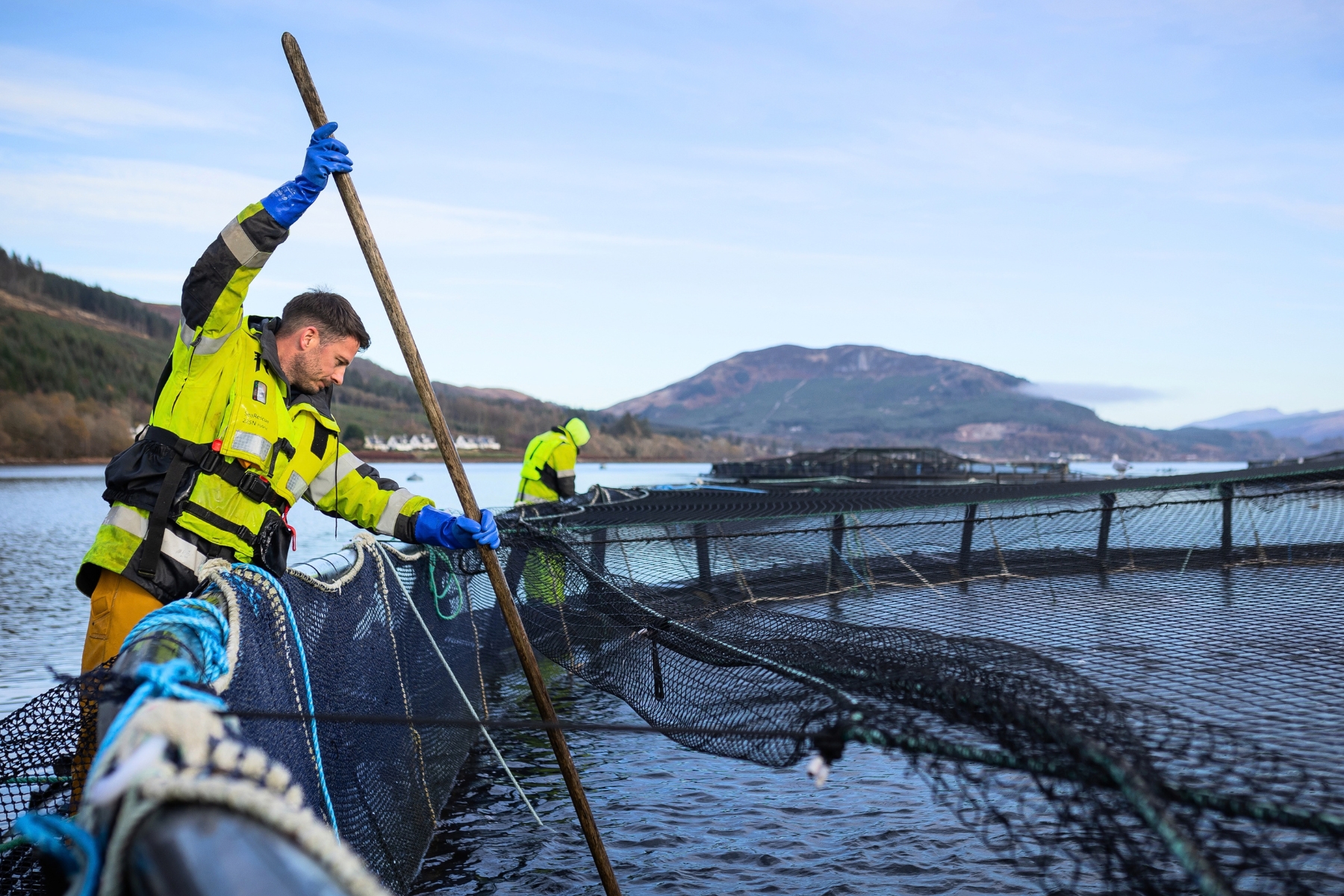
- We share concerns about the long-term decline in wild salmon and are working with partners to reverse it. But it is wrong to suggest salmon farming is driving that decline. Steep falls in wild salmon numbers are also being seen on the east coast of Scotland and in England, where there are no salmon farms. The Scottish Government has identified more than 40 pressures on wild salmon, including water quality, habitat loss, and predation.
- Despite their unfortunate name, sea lice are not lice – they are small crustaceans that live in the sea and latch onto wild salmon and farm-raised salmon. Our farmers monitor sea lice closely and take action to keep levels low. Publicly available data shows that sea lice levels on Scottish salmon farms are some of the lowest on record.
- Like other livestock, pets, and humans, farm-raised salmon can sometimes become unwell. When necessary, farmers and vets may use licensed medicines to protect their health and welfare. The use of medicines is strictly controlled by regulators to protect the wider environment.
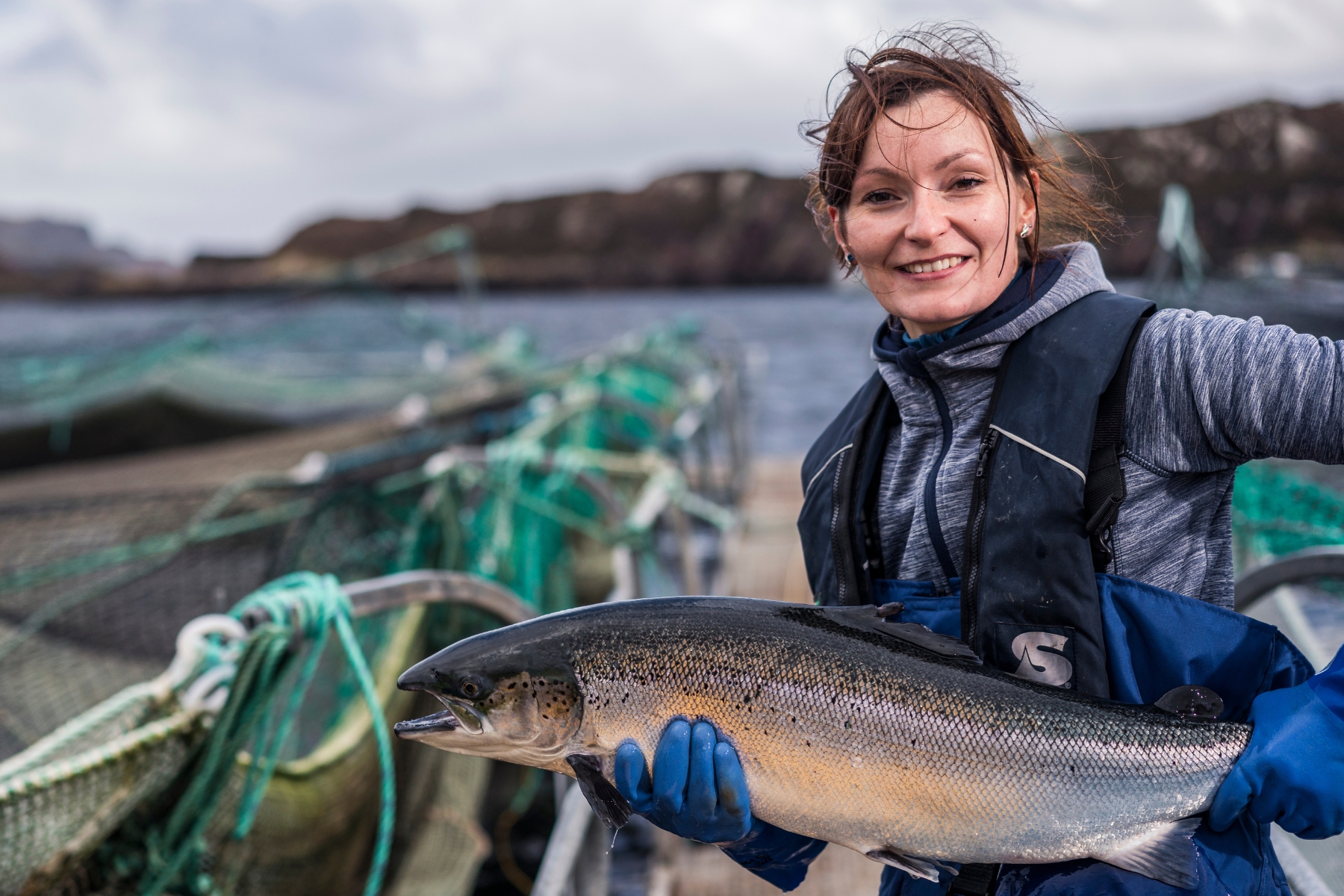
Producing food responsibly.
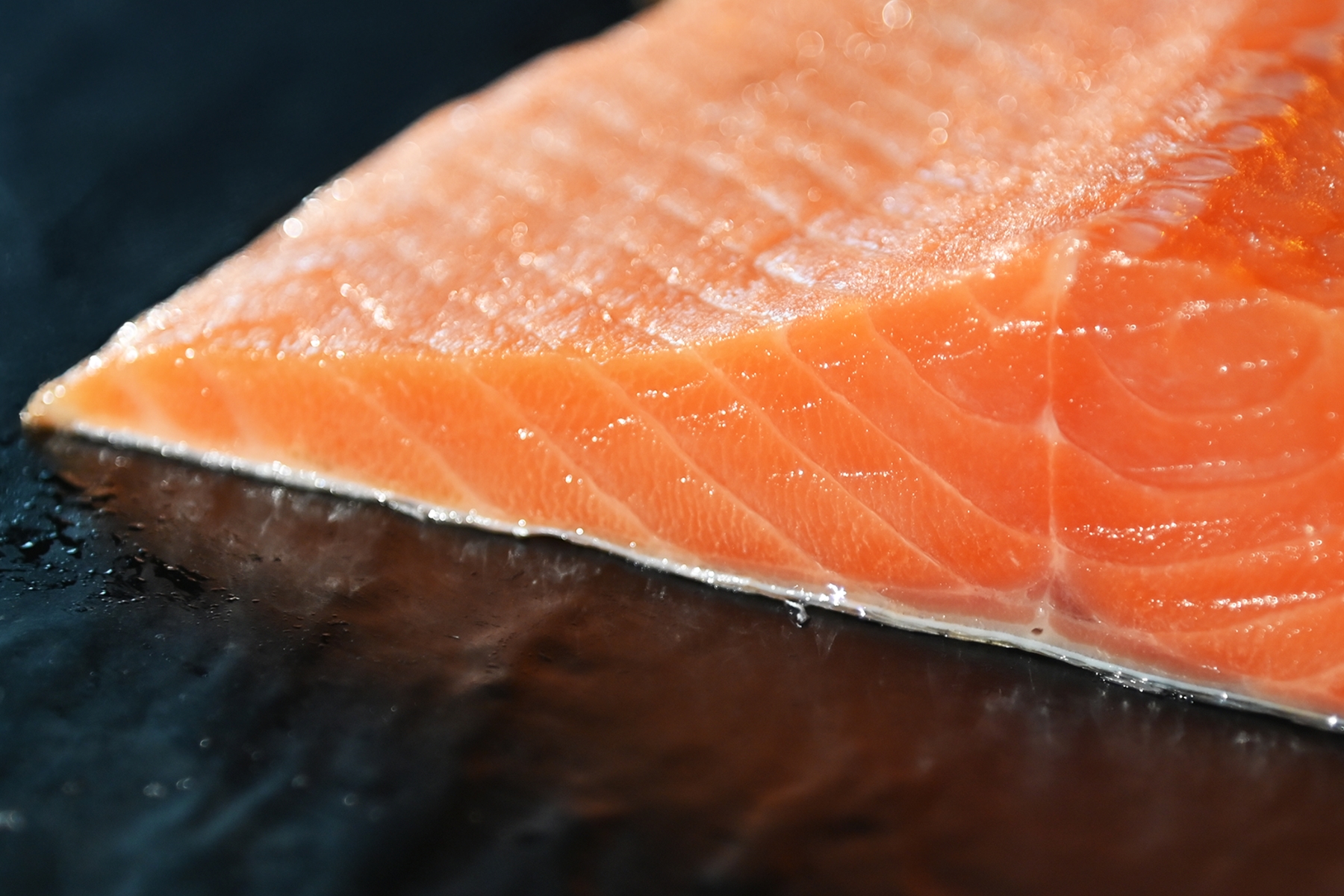
Salmon farming operates to high standards of sustainability.
Scottish salmon is a nutritious food produced efficiently, with farmers and their suppliers continually looking for ways to use resources responsibly.

- Salmon has one of the lowest carbon footprints of any farm-raised animal, significantly lower than beef, lamb, or chicken.
- Salmon are extremely efficient at using feed to grow. It takes only a little over one kilogram of feed for a farm-raised salmon to grow by one kilogram.
- Salmon feed contains a carefully balanced range of ingredients, including fishmeal, fish oil, grains and vegetable products, vitamins, and micronutrients.
- Feed ingredients are responsibly sourced and fully traceable. Marine ingredients, including fishmeal and fish oil, come from certified fisheries.
- New feed ingredients are continually being investigated to give salmon the nutrition they need while balancing sustainability and environmental responsibility.
- Scottish salmon are not fed fishmeal and fish oil from West African fisheries.
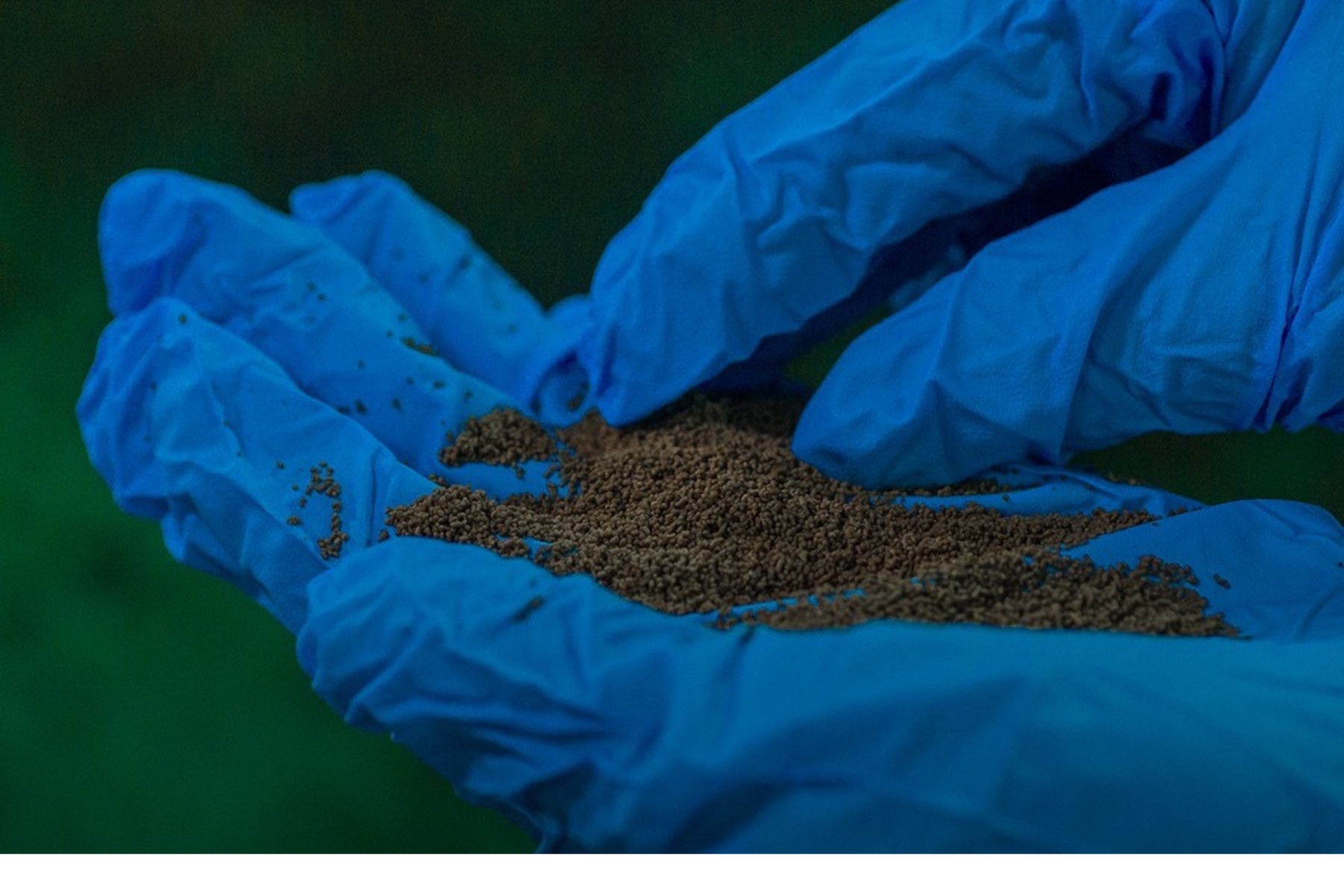
Looking after our salmon.
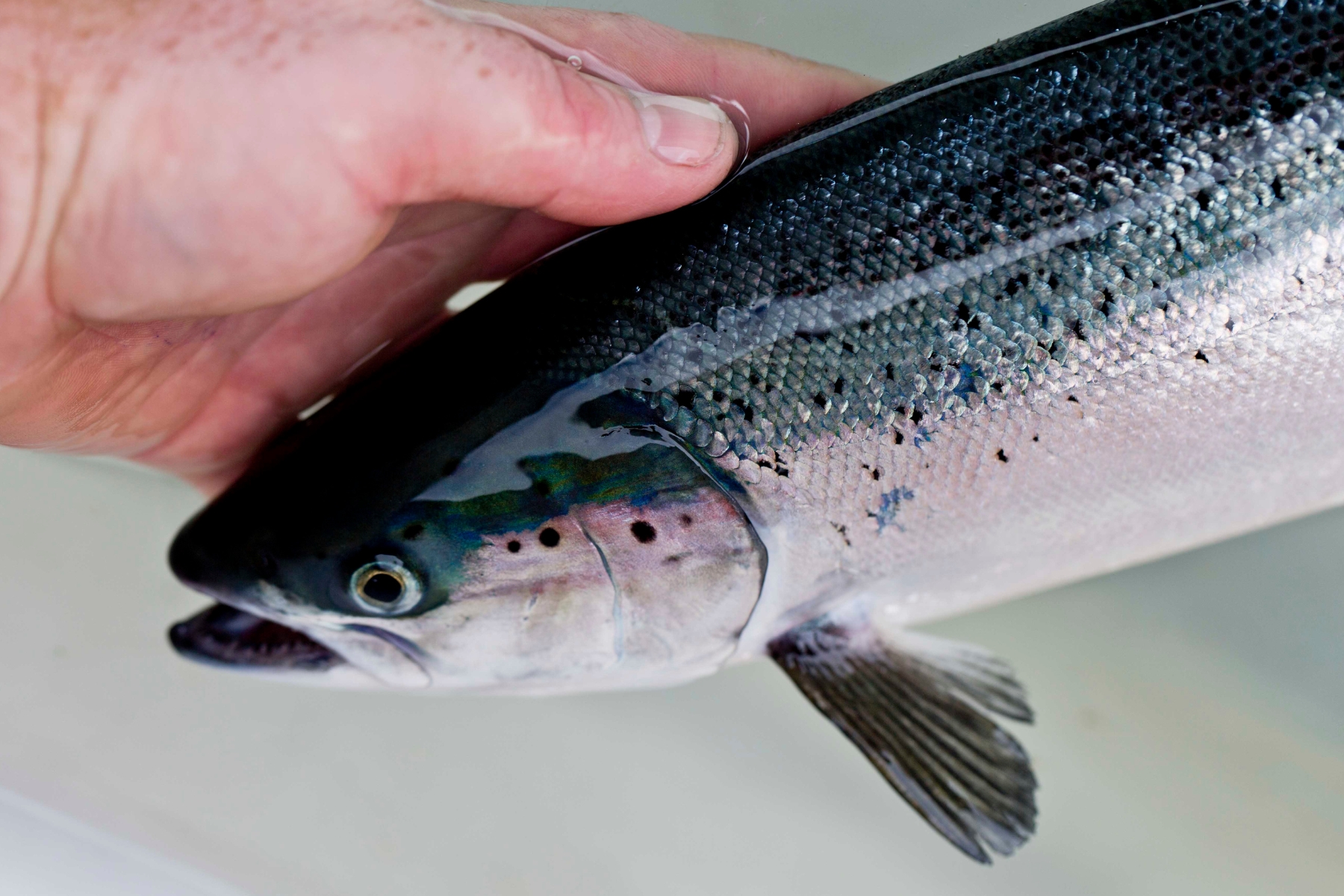
Fish health and welfare are at the heart of Scottish salmon farming.
Our farmers monitor their fish every day and act quickly, supported by veterinary experts, if there are any signs of a health or welfare problem.
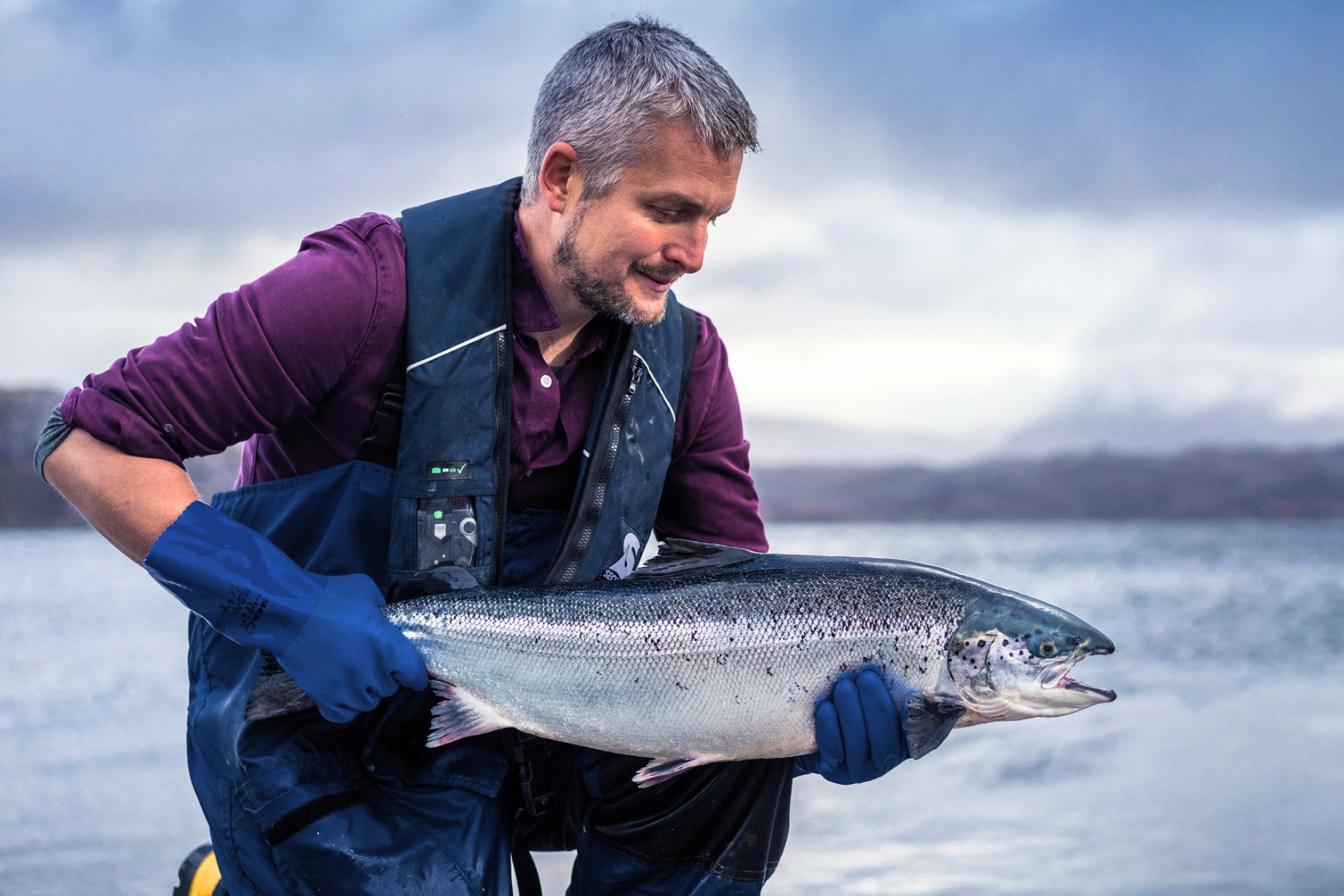
- Our farmers work to the highest health and welfare standards anywhere in the world. Around 70 per cent of Scottish salmon are certified to the RSPCA Assured scheme, a higher percentage than any other UK farming sector.
- Scottish salmon have lots of space to swim and shoal naturally. Pens are more than 98 per cent clean, oxygen-rich seawater, with Scotland having one of the lowest stocking densities of any salmon-producing country.
- Scottish salmon farmers have published detailed information on fish survival at individual farms since 2018. No other livestock sector in the UK publishes this kind of information.
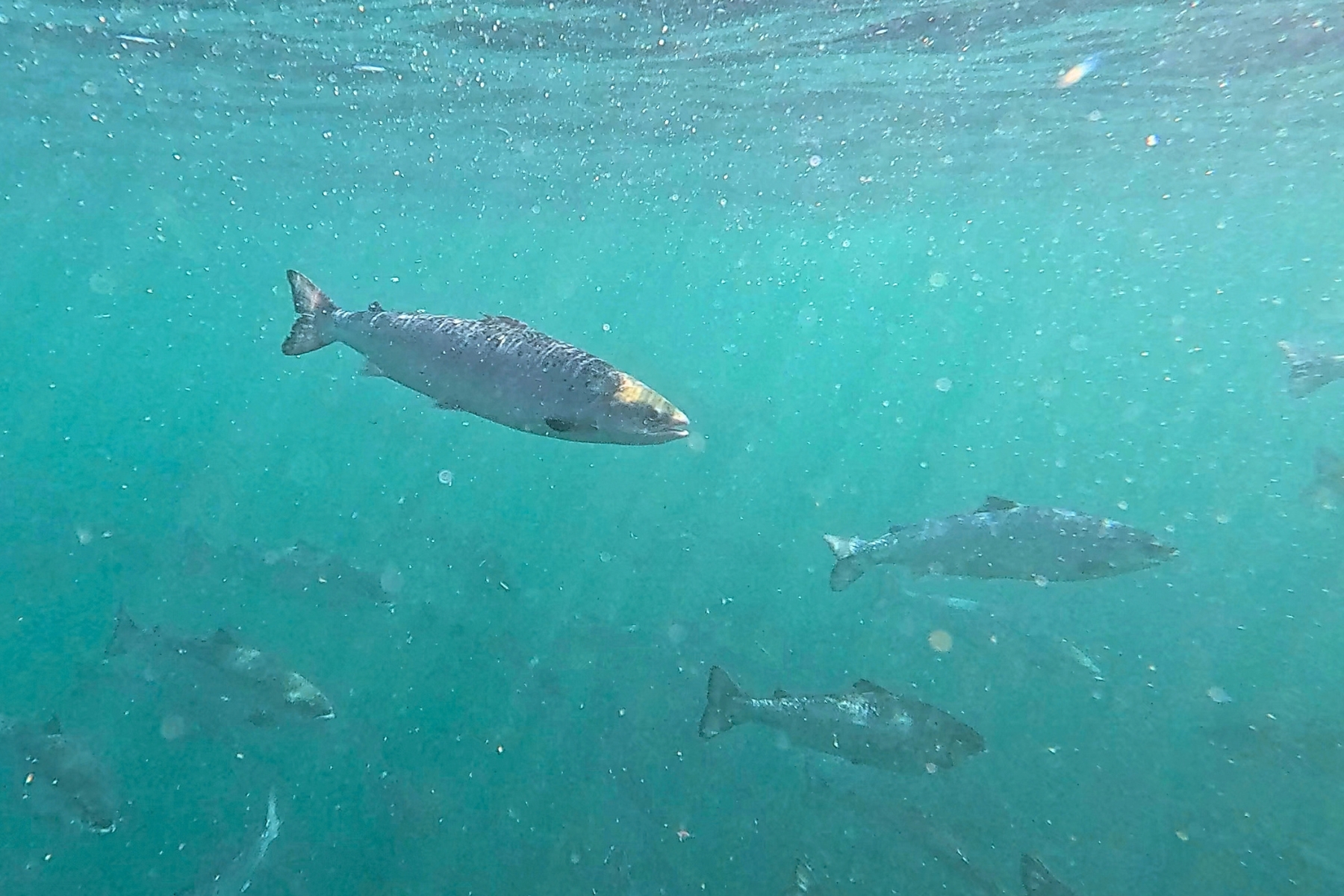
- Farmers use a wide range of measures to protect fish health and welfare, including careful monitoring, good nutrition, vaccination, environmental management, and treatment when needed.
- Sea lice occur naturally and can affect both wild and farm-raised salmon. Farmers use a range of approaches to manage them while protecting fish health and welfare.
- If, and only when, necessary, farmers may use licensed veterinary medicines to protect fish health. Their use is under strict regulatory control.
- Cleaner fish such as wrasse are used on some farms to help manage sea lice. They are given the same high standards of care and attention as salmon.