
- Is Scottish salmon good for you?
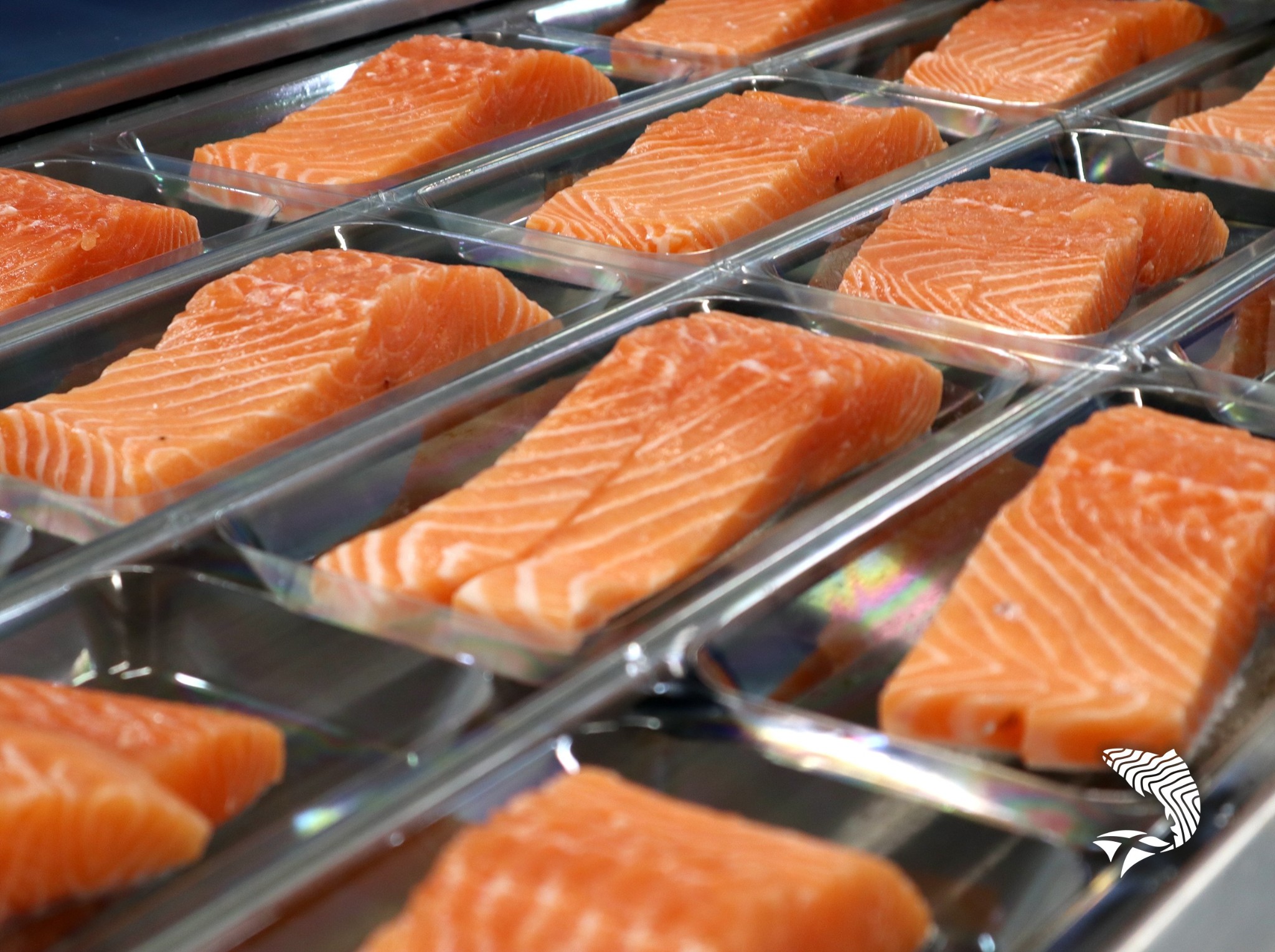
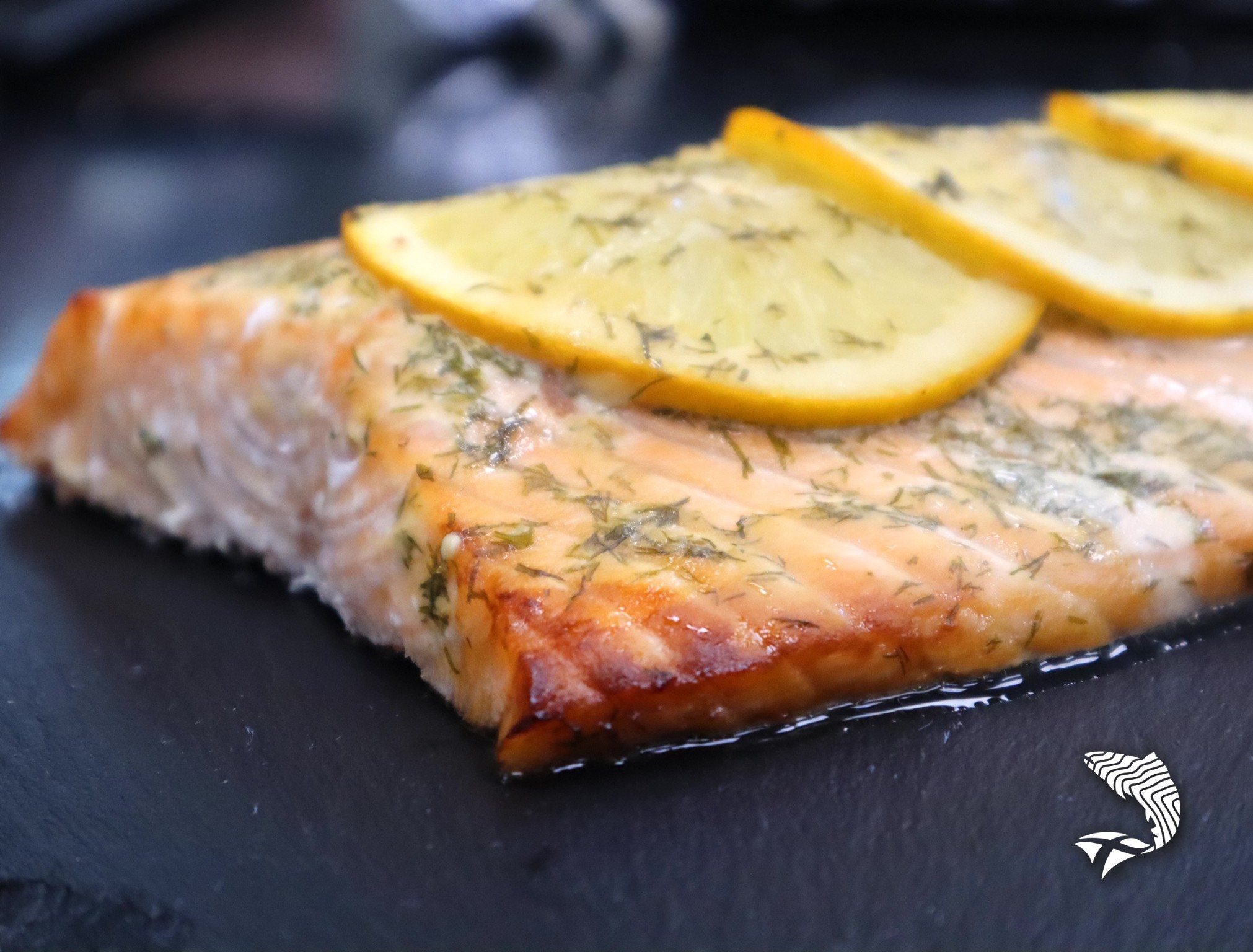
Scottish salmon is a nutritional powerhouse, packed with protein and essential Omega-3 fatty acids vital for heart and brain health, as well as Vitamin D and B12. Expert dieticians recommend people eat oily fish, such as farm-raised Scottish salmon, weekly.
- How are the fish kept healthy?
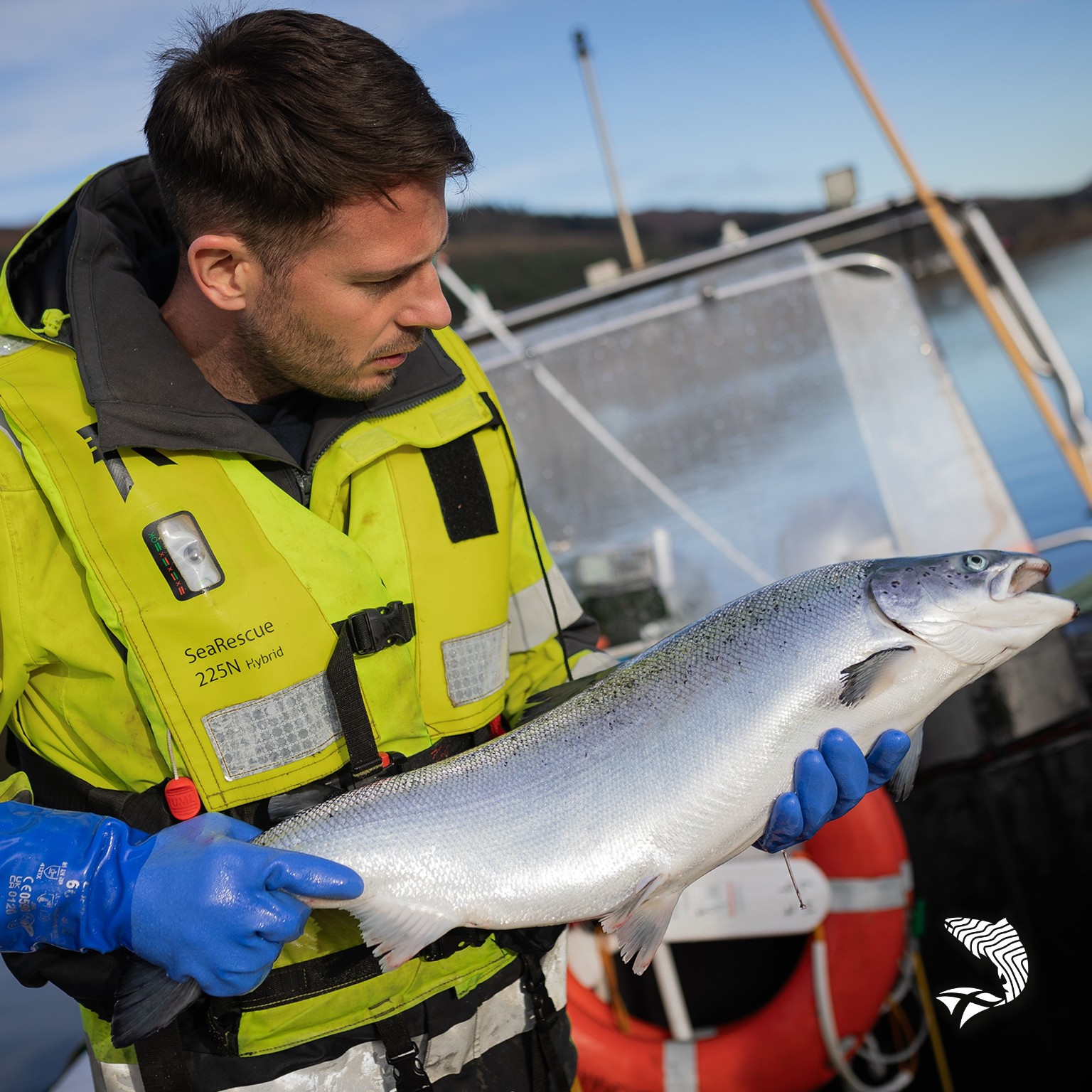
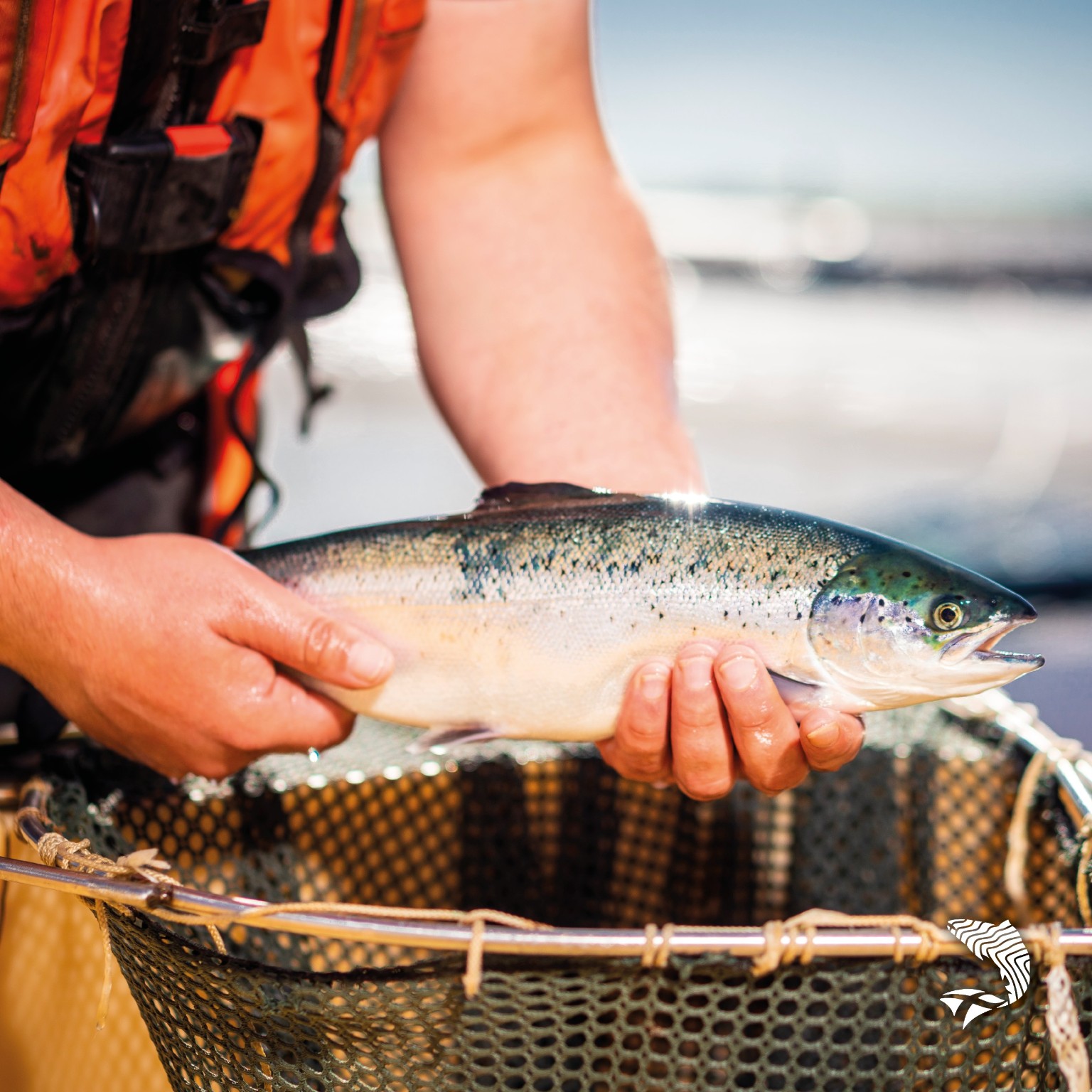
Our farmers work to the highest health and welfare standards anywhere in the world and no one cares more for their salmon than they do. They monitor their stock every day and act quickly, supported by veterinary experts, if there is any indication of any health or welfare challenges to our fish.
- Why is farmed salmon pink?
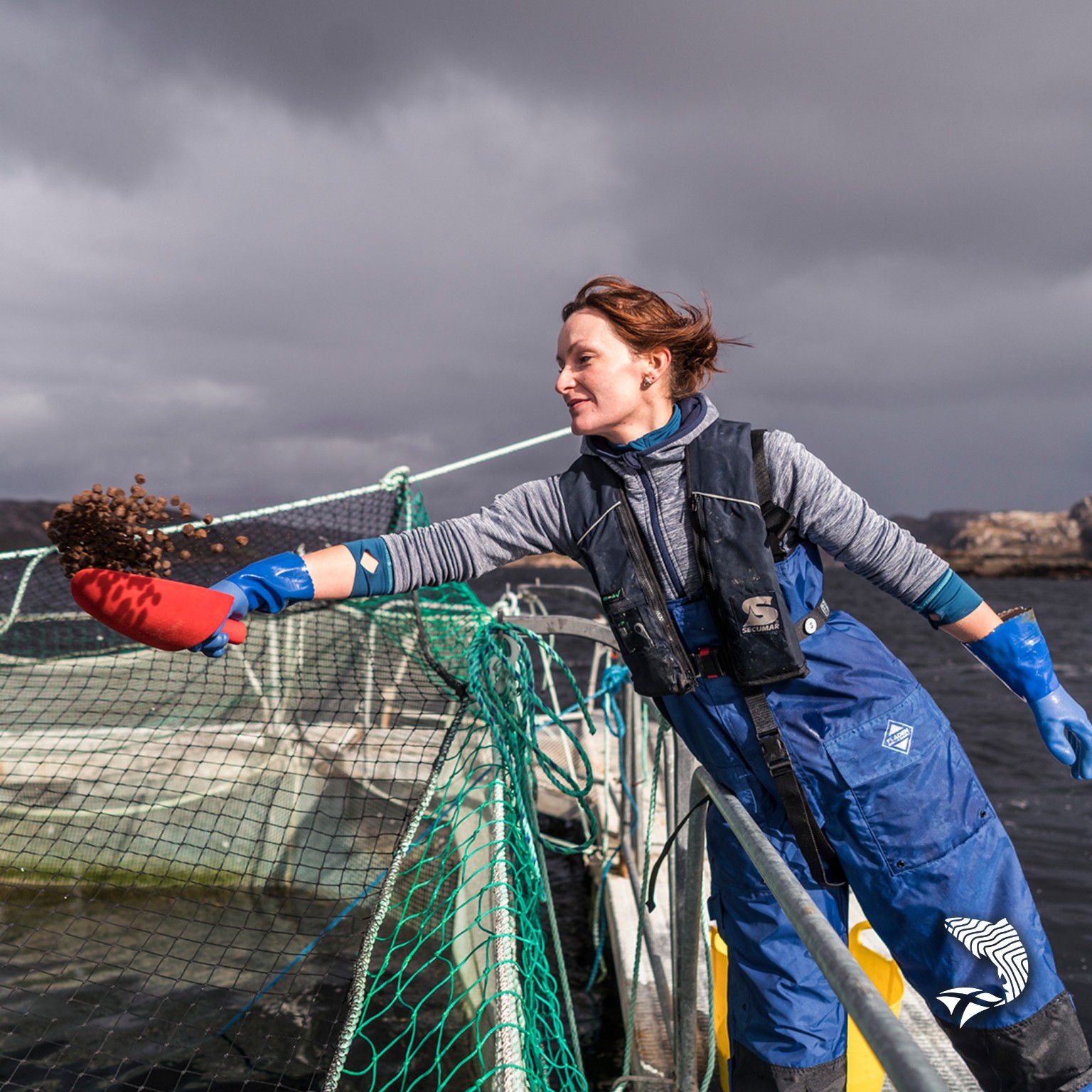
In the wild, young salmon are not pink and only develop their well-known pink colour when they eat foods rich in healthy antioxidants called carotenoids. Farmed salmon are given these carotenoids in their feed when they move from hatcheries to the sea, mirroring the natural dietary shift in the wild.
- Can the salmon escape?
Scottish salmon farmers meet the highest technical standards for their farms and work incredibly hard to achieve zero escapes. Any escapes are reported to the Government and local fisheries organisations, and there is a public register of data. On very rare occasions when escapes do occur, recent scientific studies have shown there are negligible long-term impacts on wild salmon in Scotland.
- Are Scottish salmon given antibiotics?
Strong husbandry and proactive health measures minimise the need for medicine on Scottish salmon farms, and certified vets prescribe antibiotics only when they are really needed to protect the health and welfare of the fish, just like a doctor would do for a human patient.
- Does exported salmon comply with the importing country's laws?
Yes - Exported salmon is thoroughly checked during food safety audits, such as the BRCGS Food Standard, which all Scottish salmon producers hold. This includes ensuring that no medicines, such as antibiotics, that are banned or limited in a country, are used.
- How does salmon farming benefit the community?
- Is Scottish salmon sustainable?
Salmon has one of the lowest carbon footprints of any farm-raised animal – significantly lower than beef, lamb, or chicken. We are leading the way in environmental regulation to ensure our impact is temporary and fully recoverable.
- Is salmon farming environmentally responsible?
Environmental stewardship sits at the heart of Scottish salmon farming. Farms operate within clearly defined environmental limits, supported by modelling, monitoring and fallowing to protect seabed and water quality.
- How much space do farmed salmon have?
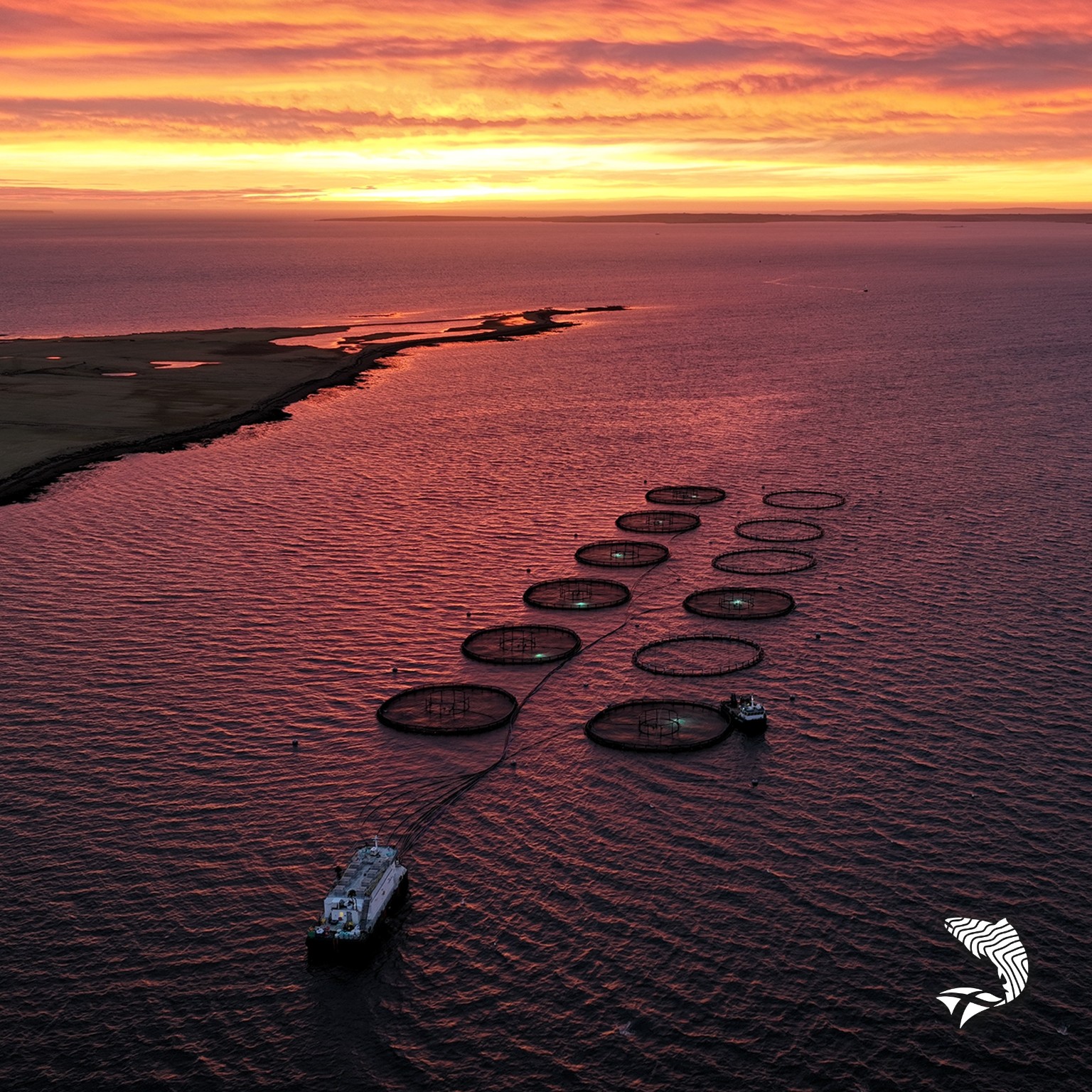
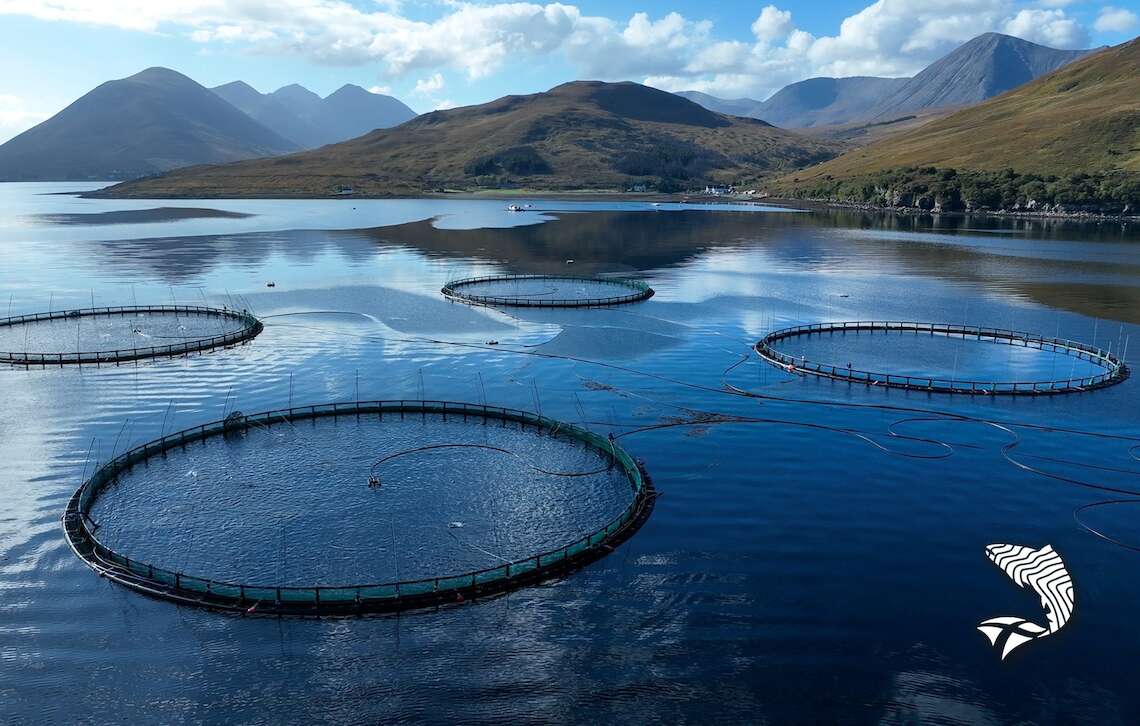
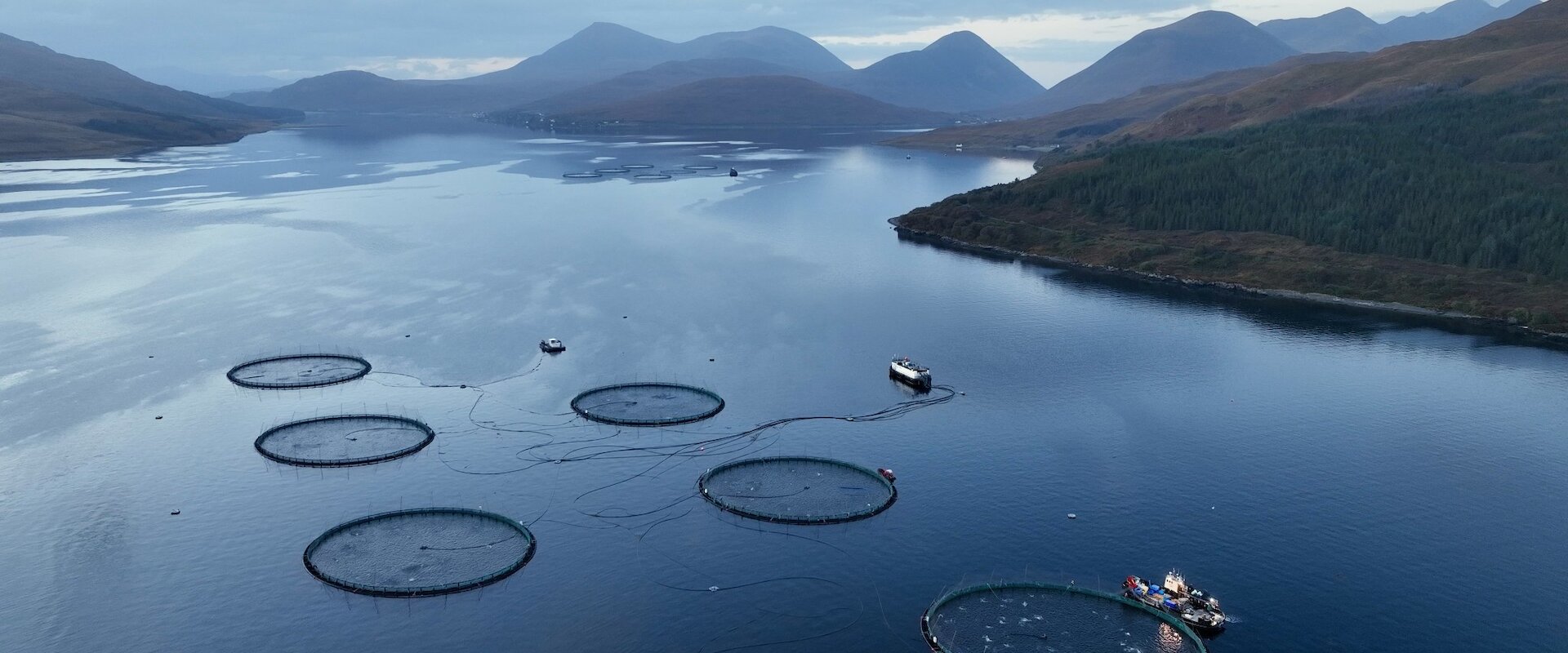
Scottish salmon pens are more than 98 per cent clean, oxygen-rich seawater – one of the lowest stocking densities of any salmon producing country - providing vast space for fish to shoal naturally.
- Are salmon farms bad for wild salmon?
We share concerns about the long-term decline in wild salmon and are working with partners to reverse this, but it is wrong to suggest salmon farming is driving it, with steep declines seen on the east coast of Scotland and in England, where there are no salmon farms. The Scottish Government has identified more than 40 pressures on wild salmon, including water quality, habitat loss, and predation.
- How popular is salmon in UK, and around the word?
It is the UK’s most popular fish, with sales of £1.5 billion a year, and production around Scotland’s west coast, Highlands, and islands provides around 850 million healthy, nutritious meals every year. That means salmon is not a niche product. It is a familiar, nutritious food that people already choose and rely on at scale.
- Are Scottish Salmon RSPCA Assured?
With fish health and welfare at the heart of successful Scottish salmon farming, around 70 per cent of Scottish salmon are certified to the RSPCA Farm Assured scheme – a higher percentage than any other UK farming sector.