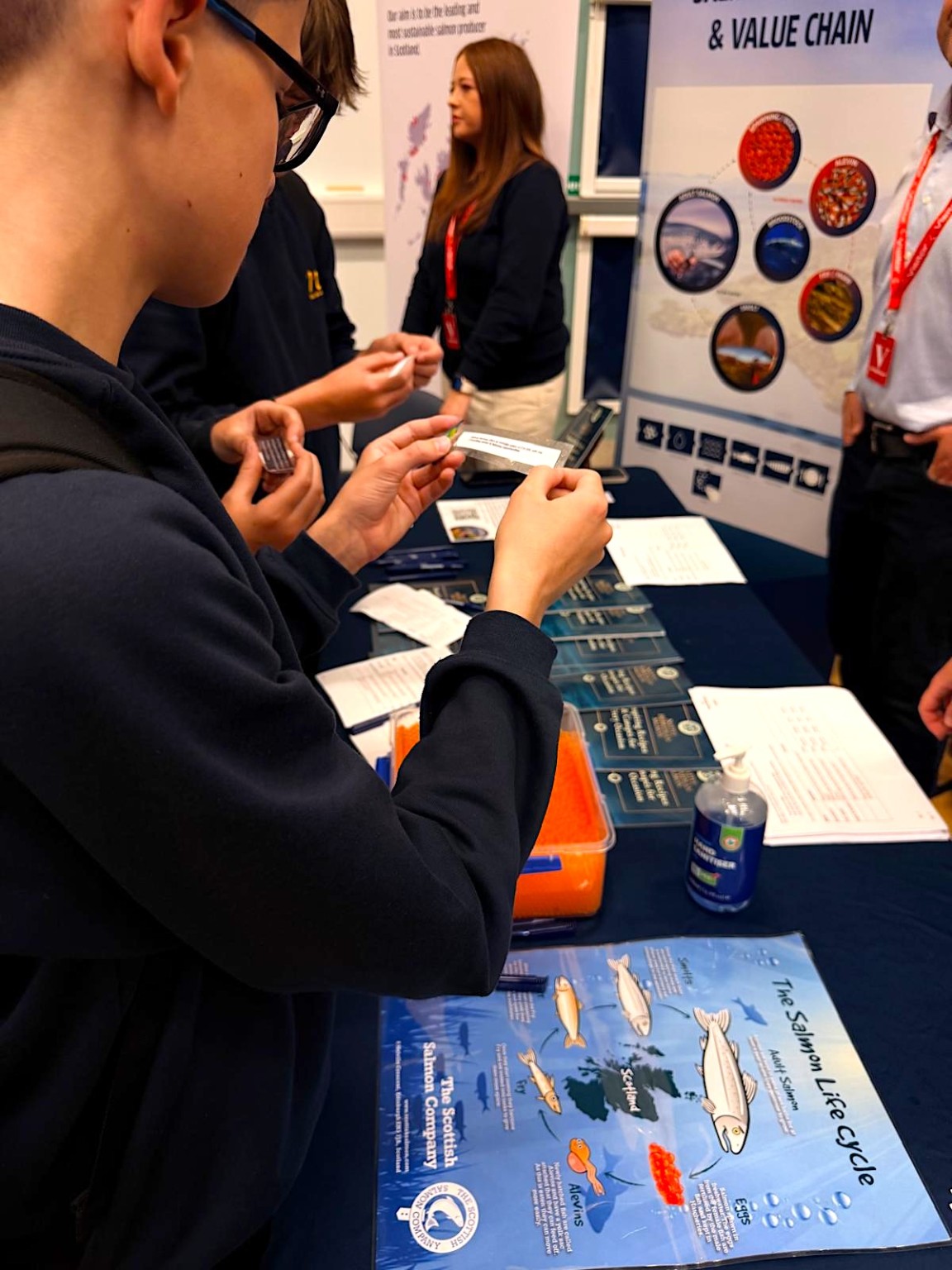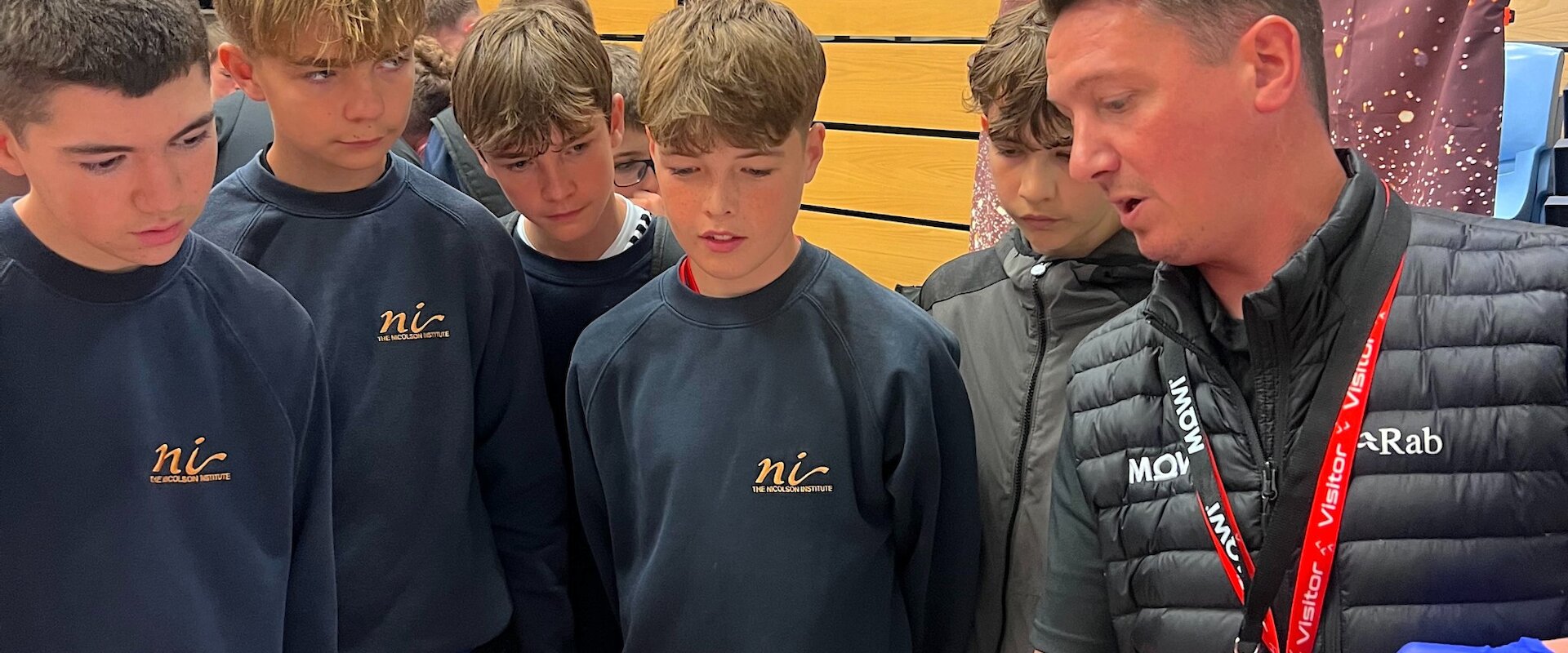

The aquaculture careers day at the Nicolson Institute in Stornoway on Wednesday, August 19, brought young people face-to-face with local employers and gave them the chance to try activities showcasing the science, technology and skills behind salmon farming.
Organised by trade body Salmon Scotland in conjunction with Developing the Young Workforce (DYW) Outer Hebrides, the careers day aimed to highlight the excellent, sustainable opportunities available locally and show young people how skills learned at school can lead to rewarding jobs on their doorstep.
Scottish salmon adds £39 million a year to the economy of the Western Isles and supports around 420 jobs across the islands, including 260 directly on farms and in processing.
Salmon farming jobs pay an average of £44,500, around 16 per cent above Scotland’s typical salary, while salmon exports from the Western Isles were worth more than £1 billion over the past decade.
Salmon Scotland members Bakkafrost Scotland and Mowi Scotland took part alongside aquaculture technology supplier ScaleAQ, underwater robotics company MoROV, Underwater Contracting, Fish for Health and Skills Development Scotland.
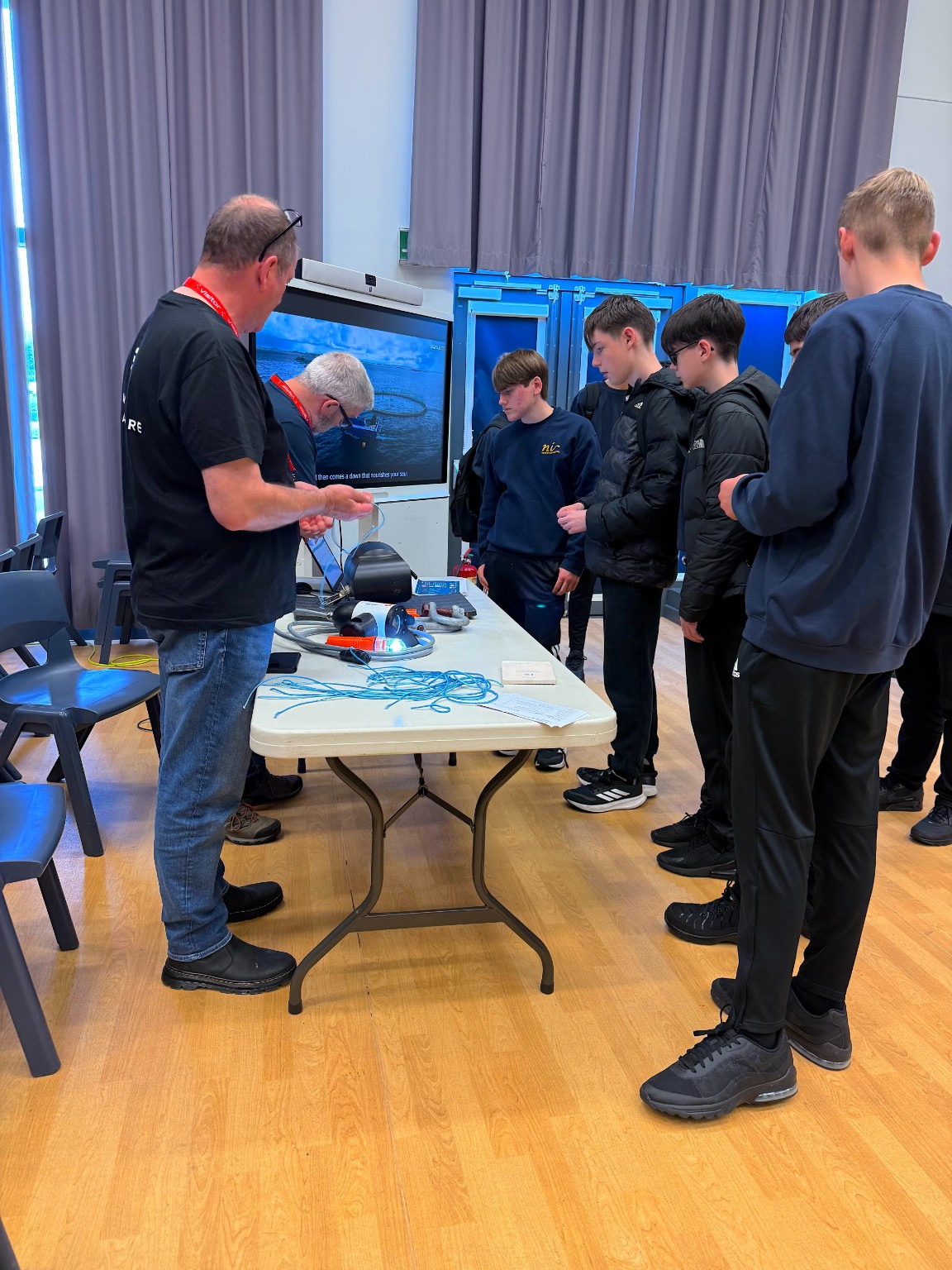
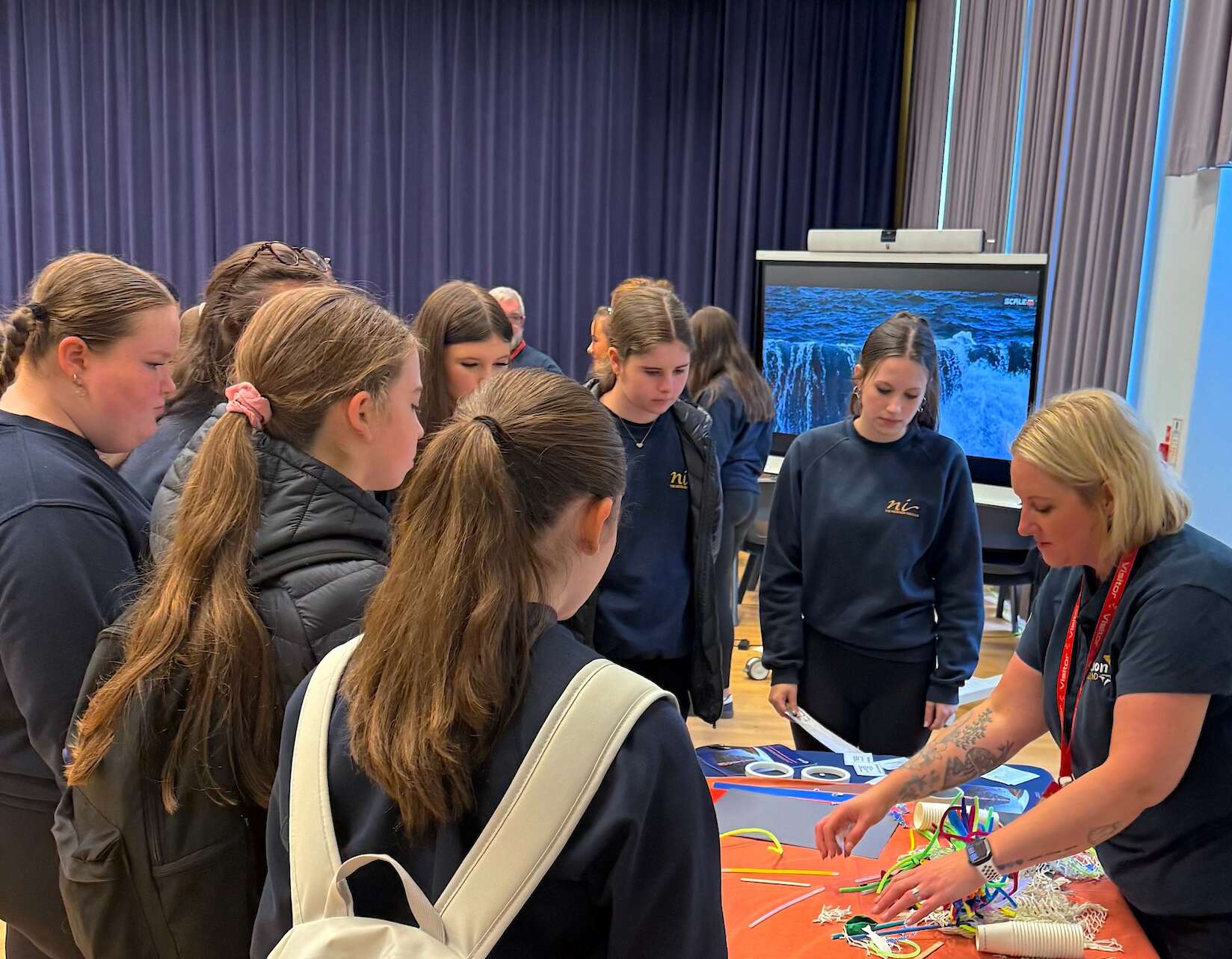
Pupils rotated around stands in small groups, speaking to people working across aquaculture and learning about different career paths.
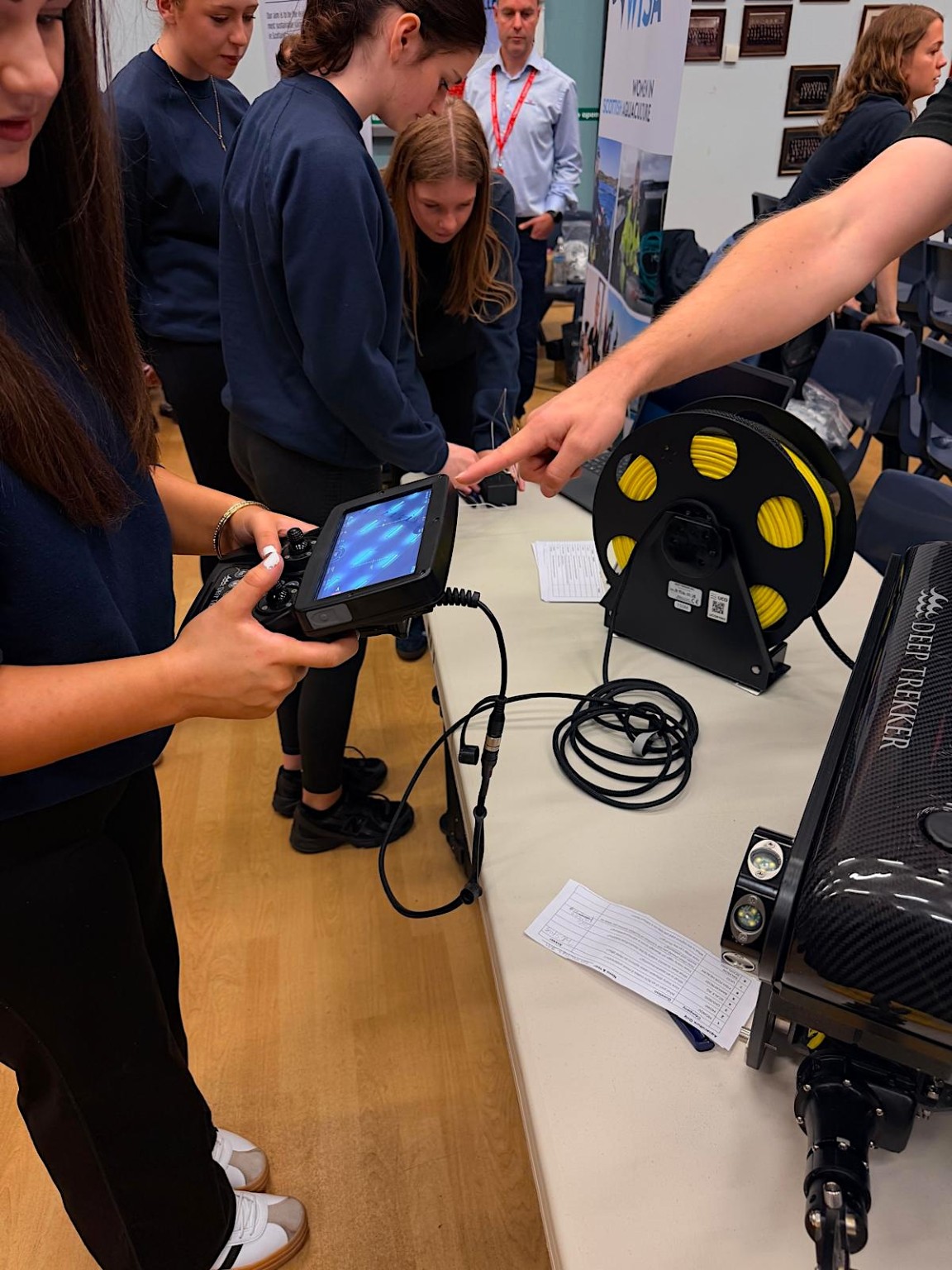
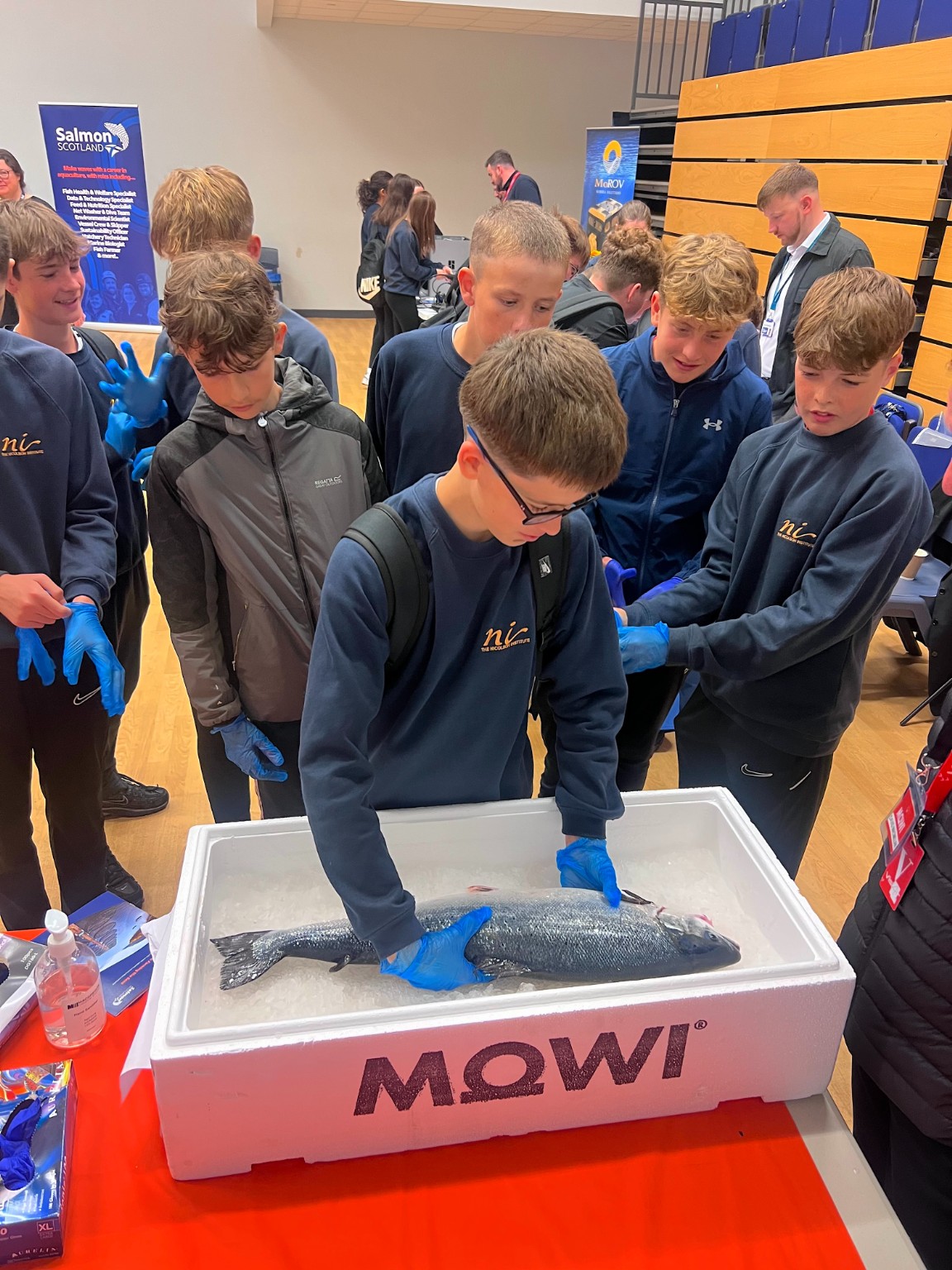
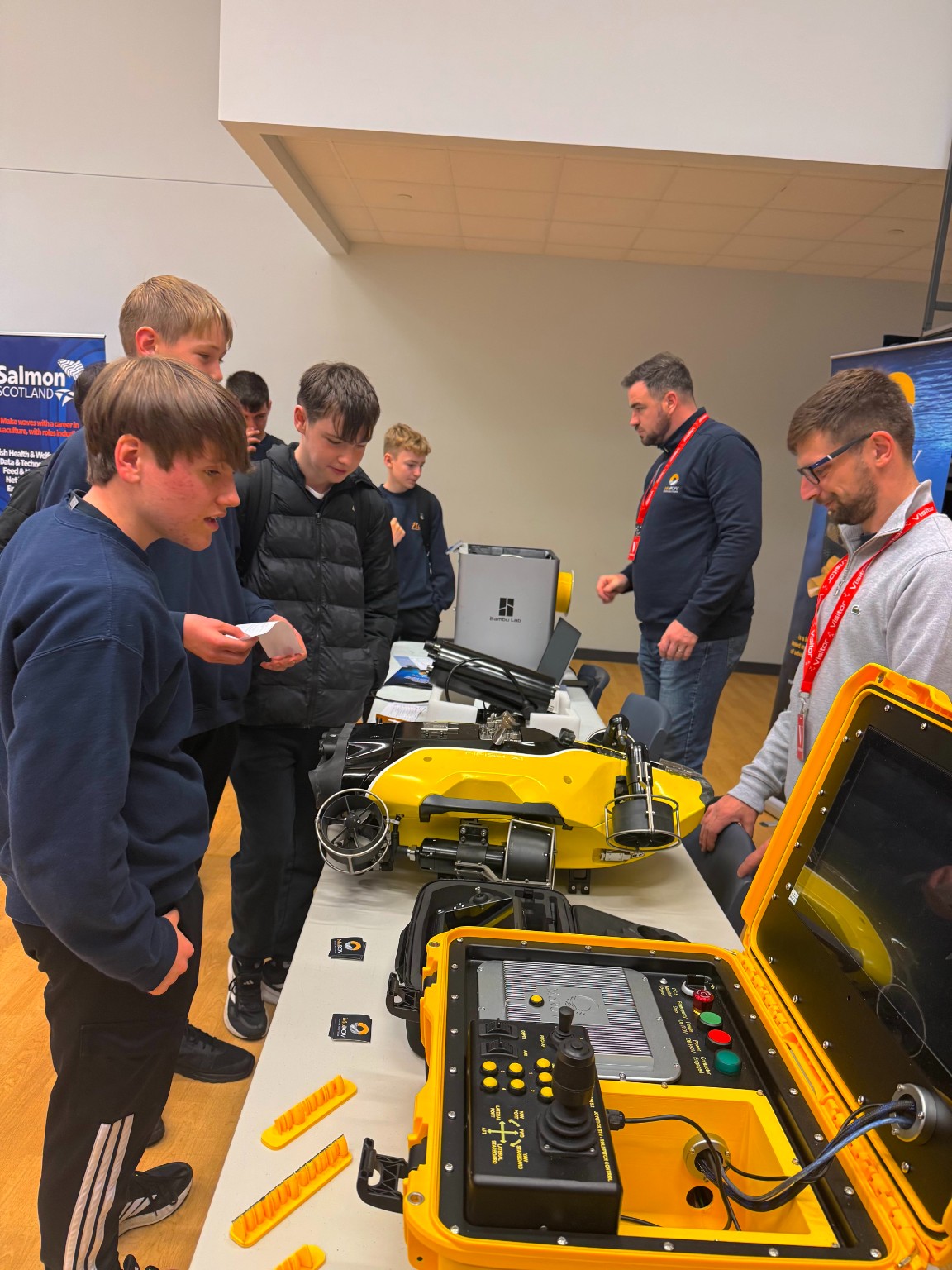
Mowi Scotland carried out a basic health check on a whole salmon, challenged pupils to guess its weight, and ran a fin quiz, while Underwater Contracting let pupils operate an underwater robot using its mechanical grabber.
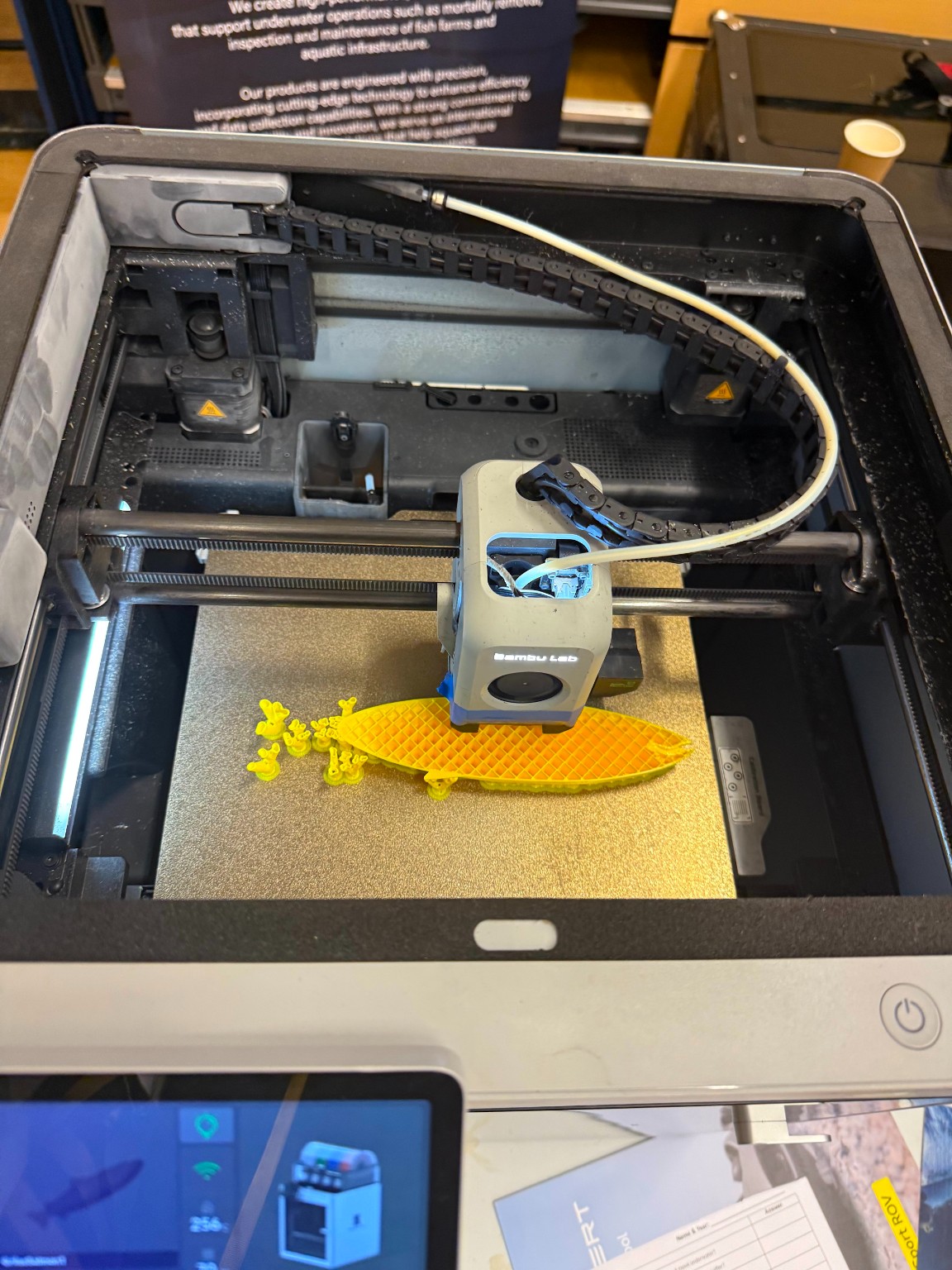
MoROV showed how underwater robots are assembled, ScaleAQ challenged pupils to guess the weight of equipment used on salmon farms, and Bakkafrost Scotland focused on sustainability, feed and the environment.
Fish for Health explored the nutritional benefits of salmon and offered tastings, while Salmon Scotland challenged pupils to build their own salmon farm and discussed the range of careers available across the sector.
Salmon farming offers more than 100 roles, from farm operations, fish health and engineering to environmental work, logistics, finance, IT, sales and marketing.
The Stornoway event formed part of Salmon Scotland’s wider careers programme, which has already held similar events in other salmon farming regions across Scotland.
Jennifer Cairns, headteacher at the Nicolson Institute, said:
“This event gave our S3 pupils an opportunity to explore the aquaculture sector, helping them to better understand the skills, roles and pathways available.
“Working alongside DYW Outer Hebrides and Salmon Scotland, we were able to connect learning with career opportunities, raising awareness of the rewarding careers that can be accessed locally.
“We would like to thank all those involved for sharing their knowledge and encouraging pupils to think about the different pathways their future careers could take.”
Rebecca Macleod, coordinator at DYW Outer Hebrides, said:
“The Nicolson Institute DYW aquaculture event, delivered in partnership with Salmon Scotland, provided young people with the opportunity to gain insight into the aquaculture sector and the range of career pathways it offers.
“DYW Outer Hebrides are committed to connecting young people with employers and helping them understand the opportunities available within our local industries.
“It was great to welcome DYW Pledge partners, including Mowi, at the event.
“Events like this strengthen links between schools, employers and the wider community, broadening awareness of local opportunities and encouraging young people to explore pathways such as aquaculture.”
Tavish Scott, chief executive of Salmon Scotland, said:
“This first careers event in Stornoway was about showing young people the jobs and opportunities that exist on their doorstep.
“Scottish salmon supports hundreds of jobs across the islands and contributes £39 million a year to the local economy. There are well-paid roles in everything from fish health and engineering to technology, logistics and the environment.
“Giving pupils the chance to get hands-on, ask questions and meet people working in the sector helps bring those jobs to life.
“We hope some of the young people who took part will see a future for themselves in salmon farming and become part of the next generation working across the Western Isles.”