How did you first get into aquaculture, and what drew you to the industry?
I took a module in my undergraduate on Aquaculture and Fisheries which led me to doing a Masters in sustainable aquaculture. A field trip took me to a hatchery run by Scottish Sea Farms, so once I graduated, I started applying for jobs in the company and was offered a role in Shetland.
I was drawn to aquaculture for several reasons, I’ve always found food a great uniter between people, understanding and sharing the knowledge of food systems with where and how our food is produced and coupled with my desire to work with animals, aquaculture was a clear path to me for combining these three motivators.
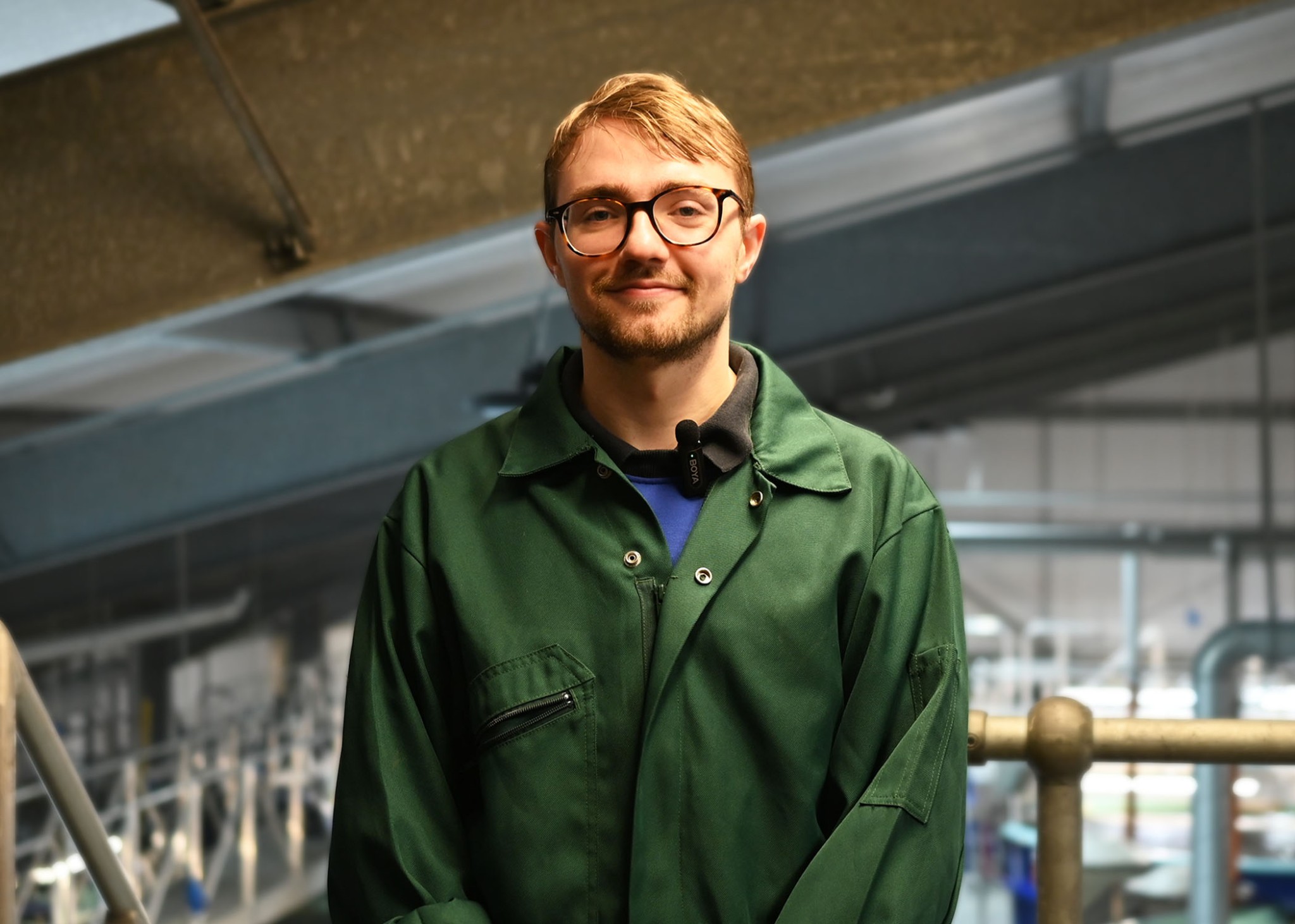
Can you tell us a bit about yourself and your role as an Aqua Technician at Scottish Sea Farms?
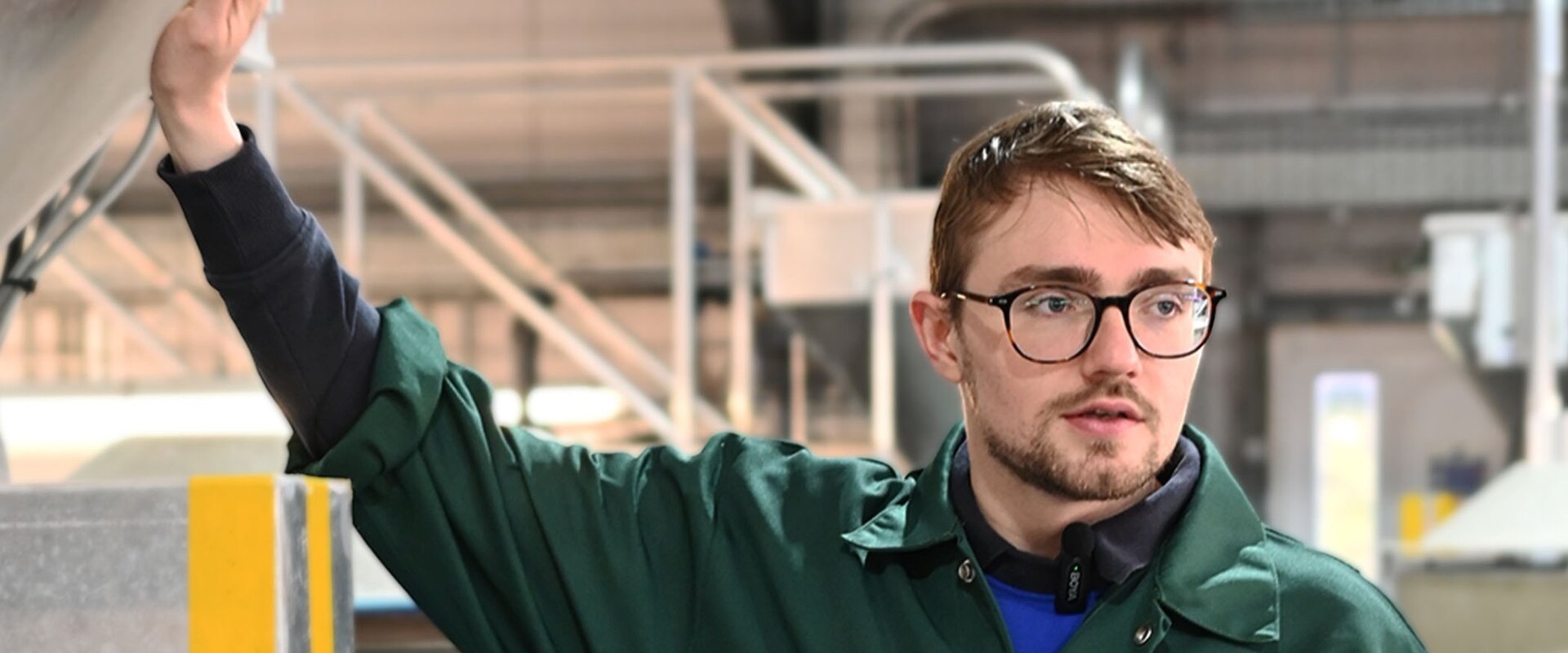
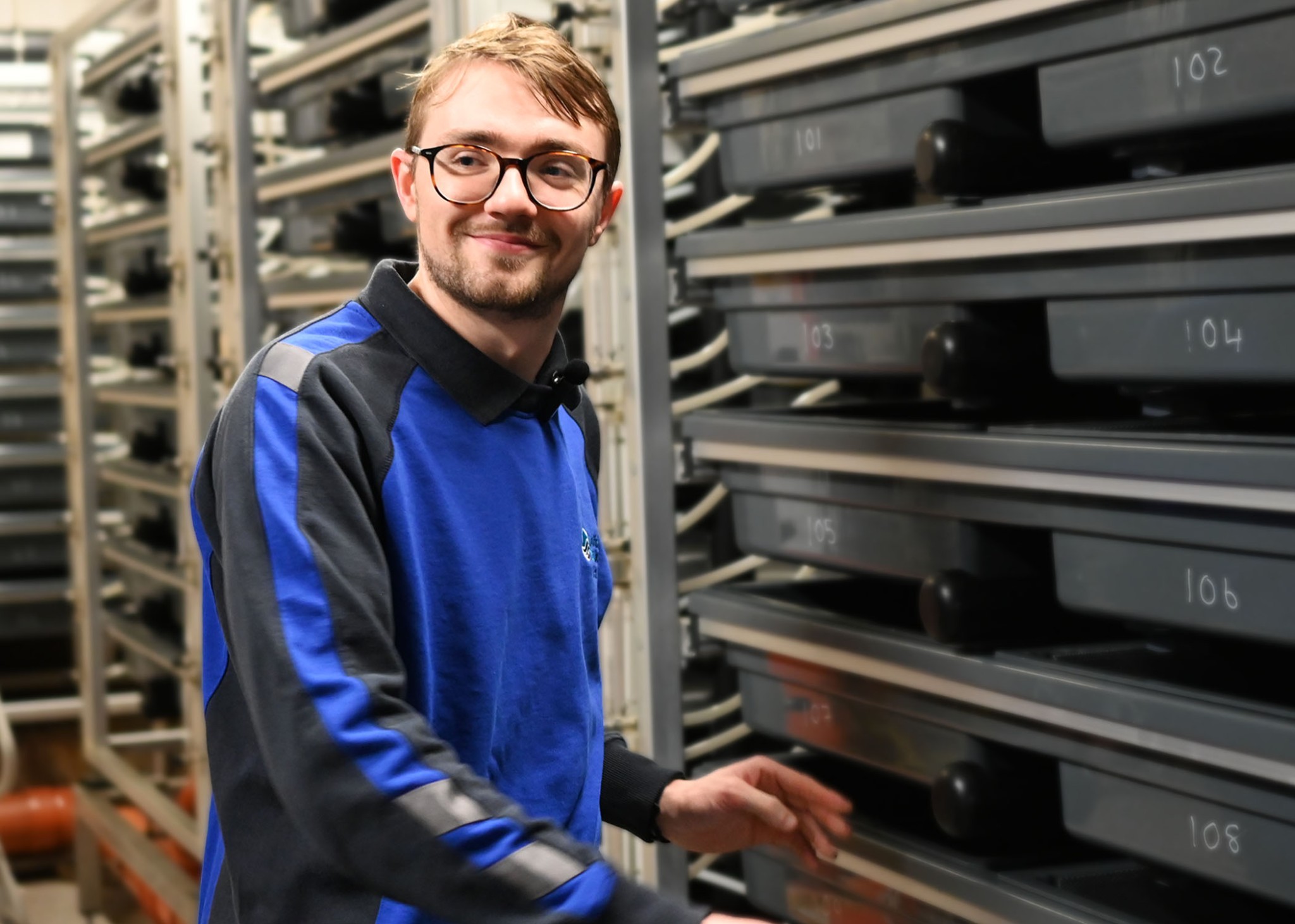
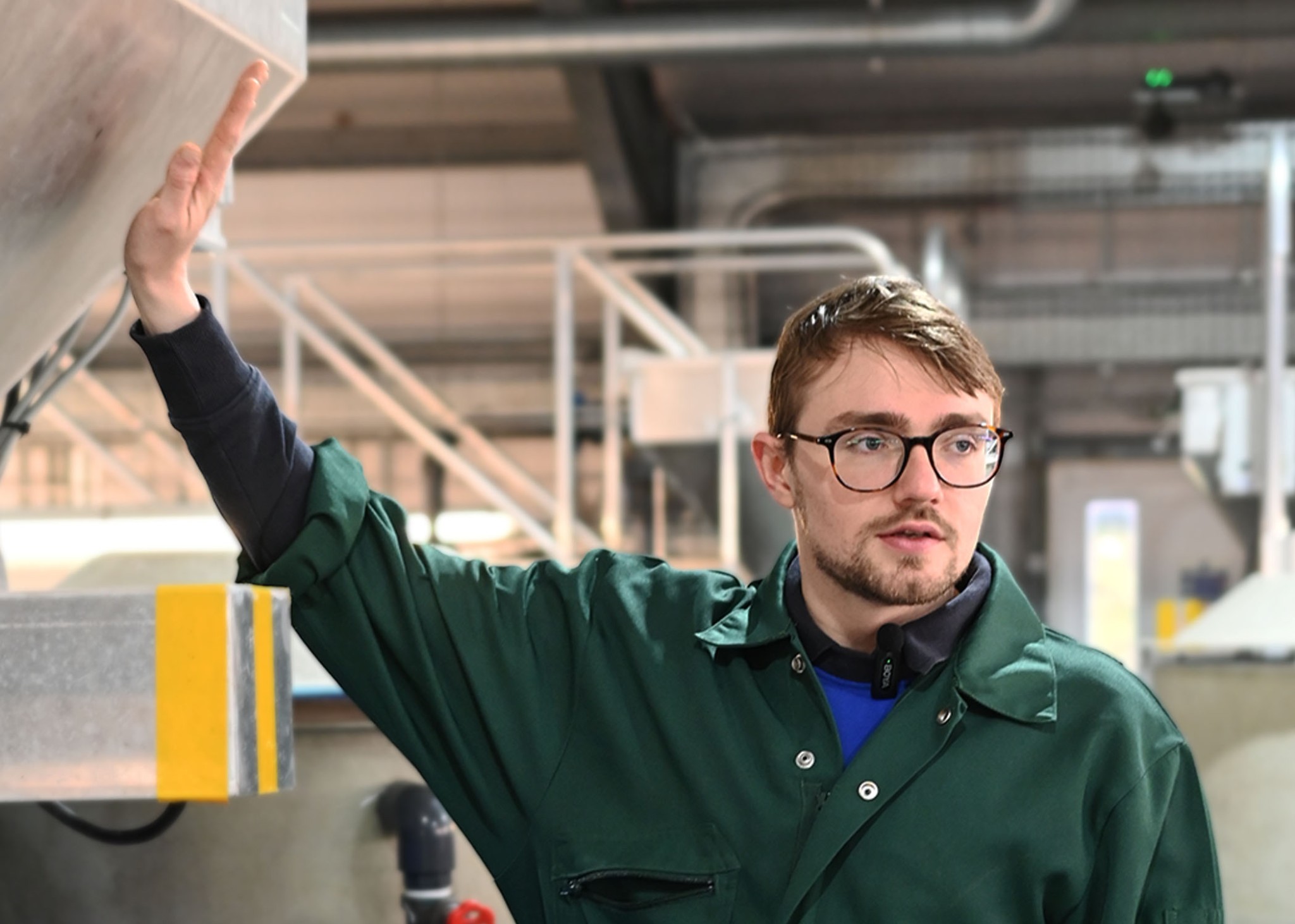
I moved up to Shetland over two years ago now and have thoroughly enjoyed becoming part of the community and company. The accessibility of nature here is such a treat, and working in a RAS system definitely comes with benefits during the long winter months and Scottish weather! A typical work day has me completing daily routine tasks in a unit which changes depending on where I’m needed.
These tasks include water quality testing, adjustments to feeding regimes, observing fish behaviour, cleaning probes, removing and categorising mortalities, tank cleaning and general housekeeping. Additionally, as a fish health specialist, I have further responsibility for sampling, assisting with vaccinations, morphology checks, assessing trends across the site and liaising with the marine fish health team during sea transfers.
How did growing up in a rural area shape your interest in aquaculture and food production?
Food production was a part of my daily life from a young age, it was clear the jobs required commitment and dedication to ensure the animals under your care had their wellbeing and needs met. Being a part of a local community and observing how agriculture and aquaculture assist to provide jobs and industry in rural areas was a big part in my interest developing at a young age. Additionally, seeing the interplay of agriculture, the environment and the people working together was inspiring for my budding interest in biology.
You completed a Modern Apprenticeship through UHI Shetland while working – what was that experience like?
As with anything, it had its ups and downs! Completing supplementary education alongside full time work is an obvious commitment to giving up some of your own free time to develop yourself. The lecturers at UHI have been wonderful in providing help where possible and explaining the requirements of the questions, while my colleagues have been invaluable with helping me get up to speed with aspects of the job which I wasn’t familiar with at the time and identifying where documents were kept which were required for some questions! I knew many people also on the same course or doing different levels than me within the company, so it was a shared experience and we helped motivate each other.
You’re now working towards your Level 4 – what’s motivating you to keep developing your skills?
My friends, family and colleagues have all helped make the experience much more manageable! I also love the feeling of accomplishment when completing these types of experiences and being able to demonstrate how much more confident and comfortable with the job now, compared to when I started is a rewarding reflection. Obtaining an internationally recognised qualification on top of this will always make a difference to a career too!
How has Scottish Sea Farms helped you in your development?
I wasn’t familiar with the SVQ system when I first moved up to the area, and Scottish Sea Farms were the able to inform me of the qualification, assist to sign me up and absorb the cost of the apprenticeship shortly after I arrived at Shetland. Promoting internal development within the company is a clear sign to me of the company’s desire to help develop those who want to improve their skills and support those willing to do so, which is a great positive.
You were nominated for the ALBAS and named a runner-up – what did that recognition mean to you?
It was a wonderful surprise to find out I had been nominated! I hadn’t realised the scale of the awards when my lecturer first told me he’d signed me up, but it was a real sense of achievement feeling all my hard work and all the support my colleagues, lecturers and friends had provided to me had been recognised.
How important is it to recognise young talent in aquaculture?
The willingness to change and adapt from those within Aquaculture to new technologies, research and techniques is a real asset of the industry. Recognising and developing young talent allows that approach to be fostered and developed in the next generation of professionals and ensure the growth of the rural communities which the industry is typically situated around. Additionally, increasing the awareness of how food systems work and understanding what is required for food to end up on someone’s plate is always a positive!
What would you say to someone who is considering a job in aquaculture?
Carp-e diem (sorry I couldn’t resist)! The types of jobs present within the aquaculture industry are incredibly diverse and suited for all different kinds of skills. A willingness to throw yourself in, learn from those around you, make some mistakes and learn from them are all invaluable traits employers will pick up on and appreciate.
Initiatives like the Young Aquaculture Society (YAS) and Women In Scottish Aquaculture (WISA) are also a good way of getting involved before you have a job in the industry and can help with networking which can lead to opportunities later down the line.