More than £230,000 has been awarded this year through Salmon Scotland’s wild fisheries fund to support practical work tackling long-term species decline. The fund is part of a £1.5 million commitment to conserve, restore, and sustainably manage wild fish populations across Scotland.
Tighnabruaich-based Otter Ferry Seafish has been awarded £39,134 to continue its live salmon gene bank, rearing wild salmon parr to adulthood and supporting future restocking.
Run with Argyll Fisheries Trust and the River Ruel Improvement Association, the project aims to boost regional rivers and serve as a model for a national network of ‘genetic insurance’ banks.
A separate project on the River Ruel is receiving £10,000 to reduce fine sediment and improve spawning and juvenile salmon habitat, marking the fourth consecutive year of support.
Earlier riverbank repairs using natural materials, trees, and woody debris created shelter for fish, while fencing and new vegetation provide shade to keep the water cool and healthy for young salmon.
Wild salmon and sea trout populations have been in long-term decline across the UK due to habitat loss, warming rivers, and obstacles to migration.
Survival at sea has fallen to between one and five per cent, compared with around 25 per cent 30 years ago.
Other pressures include invasive plants, predators such as birds, fish, and seals, and dams or weirs.
Scotland’s salmon farming companies, which operate on the west coast, Orkney, and Shetland, set up the wild fisheries fund to help communities take practical action. Previously called the ‘wild salmonid fund’, around £475,000 has already been invested since 2021.
The fund is co-ordinated by fishery manager Jon Gibb in Fort William, who has worked to build constructive links between farmed salmon producers and the wider fisheries and angling community.
Tavish Scott, chief executive of Salmon Scotland, said:
“Wild salmon is one of Scotland’s most iconic species, but populations continue to face significant pressures from habitat loss, climate change, and predation.
“Scotland’s salmon farmers are committed to finding solutions, working constructively with the wild fish sector, and taking meaningful action to protect wild salmon and sea trout.
“Through the wild fisheries fund, we are supporting community-led projects that restore rivers, improve spawning grounds, and give wild salmon and sea trout a better chance of survival.
“Our members not only provide funding but also share expertise developed from the successful farm-raised salmon sector, helping ensure that restoration and conservation efforts are as effective as possible.”
Jon Gibb, co-ordinator of the Salmon Scotland wild fisheries fund, said:
“This crucial funding gives rural and coastal communities vital support to protect wild salmon and sea trout.
“This keystone species faces serious threats both in rivers and at sea, and projects that help understand and tackle these challenges are urgently needed.
“These 10 projects show how communities are taking practical action, from restoring habitats to gene bank research and long-term monitoring.
“It’s inspiring to see local groups, trusts and fisheries working together to safeguard these species and demonstrate how community-led conservation can make a real difference.”
Alan Kettle-White, senior biologist with the Argyll Fisheries Trust, said:
“Argyll Fisheries Trust are excited to be part of the second year of the River Ruel wild salmon living gene bank project which has been supported by Salmon Scotland's wild fisheries fund.
“We will be supporting the project with monitoring of the wild salmon population in the River Ruel through electrofishing, redd count surveys and collecting genetic information which will help us to evaluate the progress of the initiative.”
Andrew Barker, of the River Ruel Improvement Association, said:
“The Salmon Scotland wild fisheries fund has again supported the Ruel River Improvement Association in two very important projects for 2025.
“This funding reflects the hope that the Ruel/Otter Ferry Seafish project combined with continual habitat improvement will prove to be a blueprint for other west coast rivers to follow for the benefit of the endangered Scottish wild salmon population.”
Alastair Barge, managing director of Otter Ferry Seafish, said:
“We welcome the continuation of funding for this exciting project. It continues to create a very important forum for the interaction between the wild fisheries and the farmed industry.”
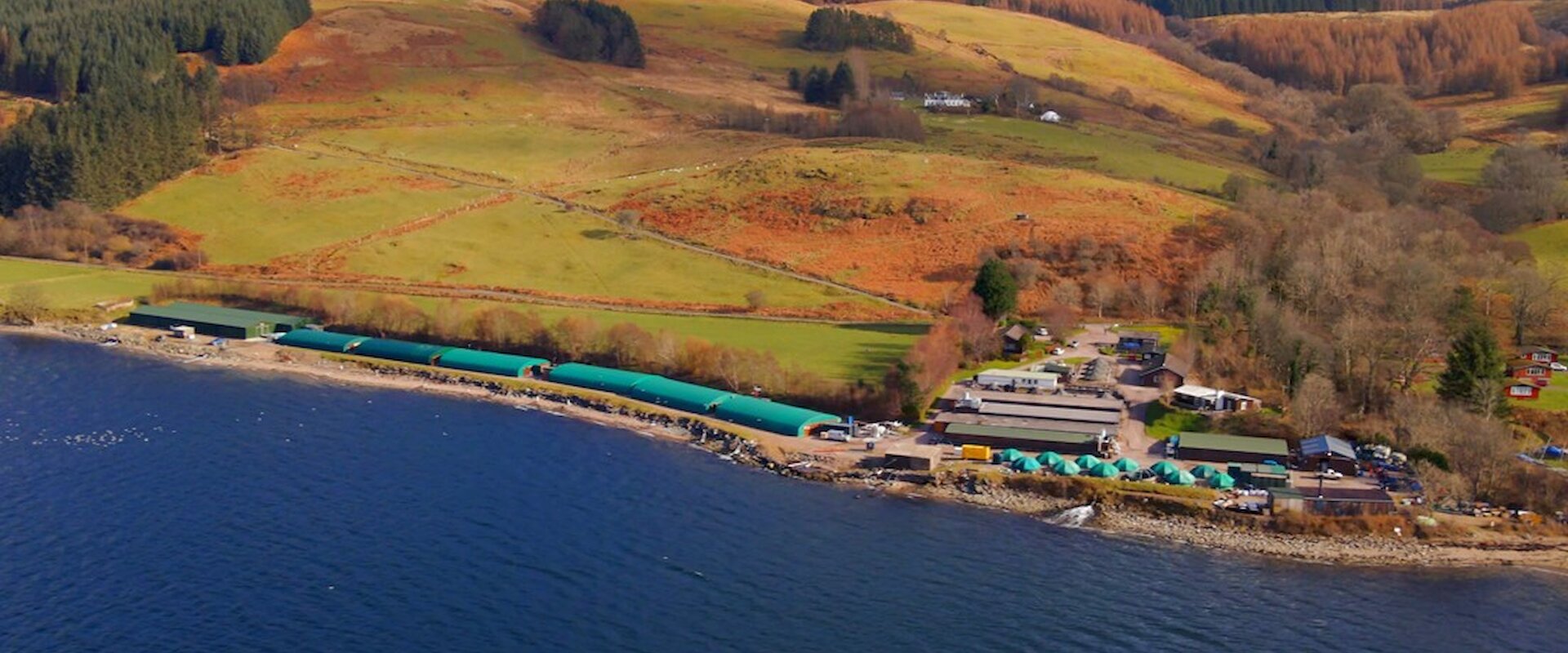

A west coast gene bank is one of 10 major projects backed by Scotland’s salmon farmers to help protect iconic wild salmon and sea trout.