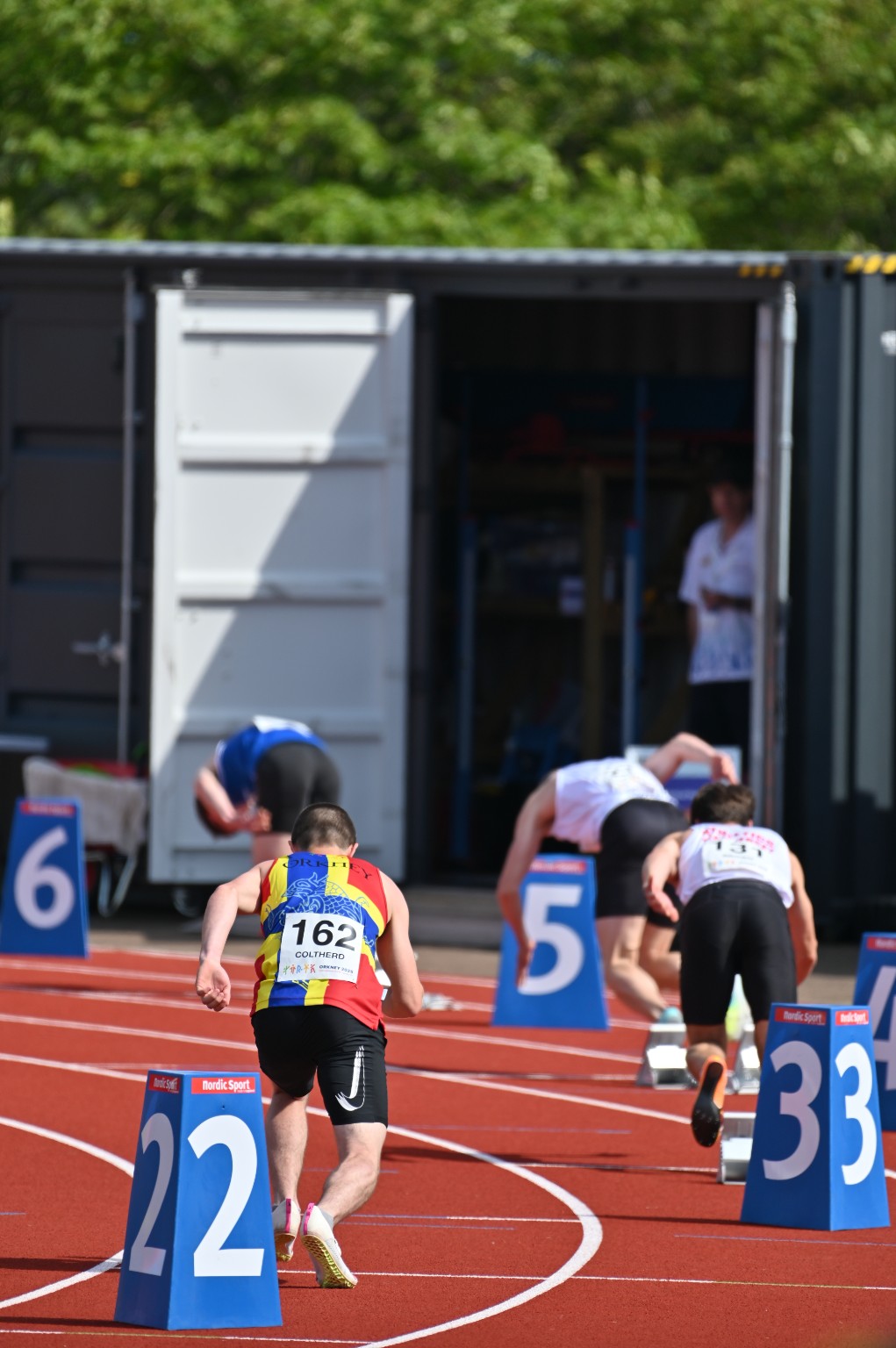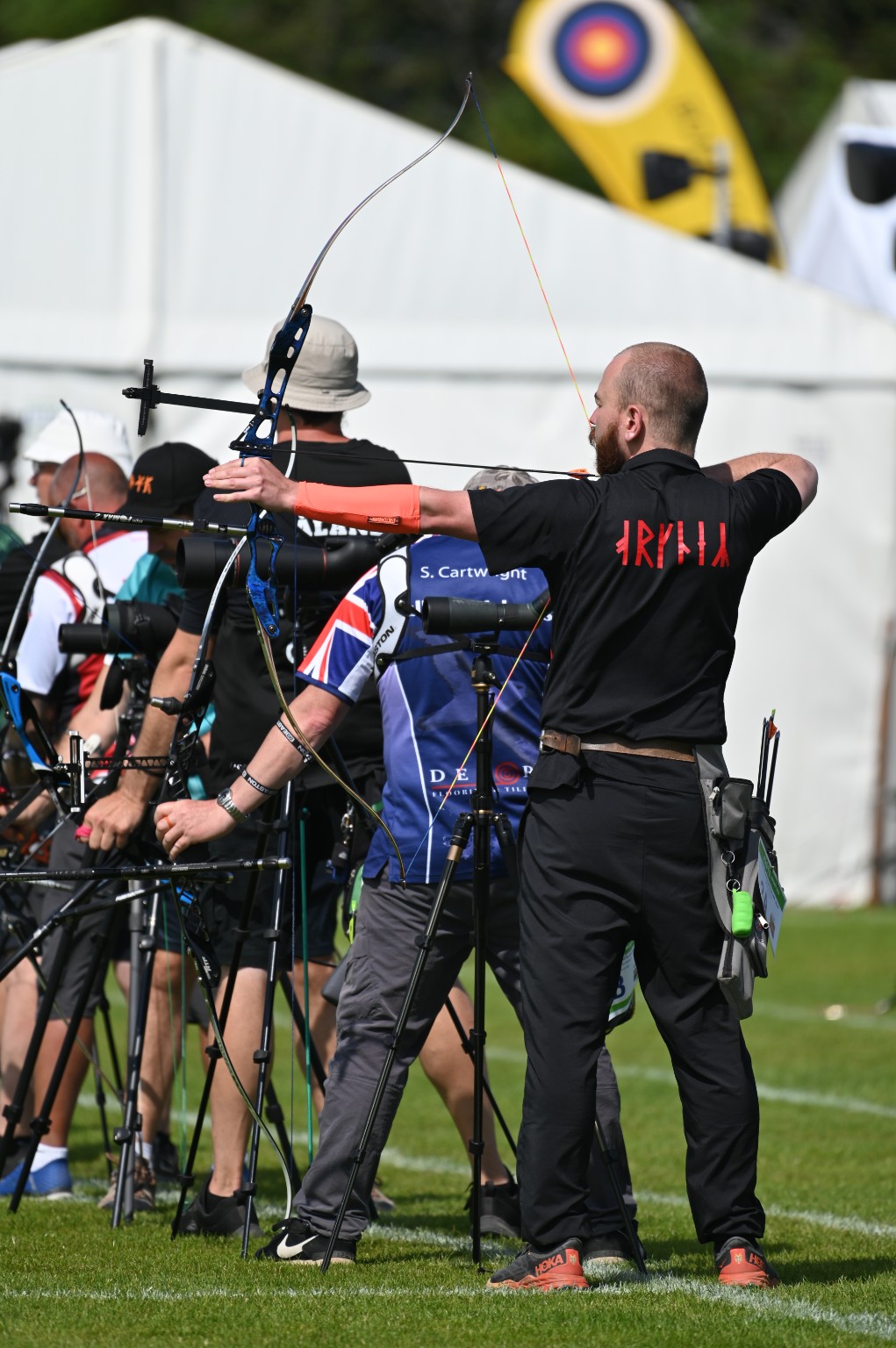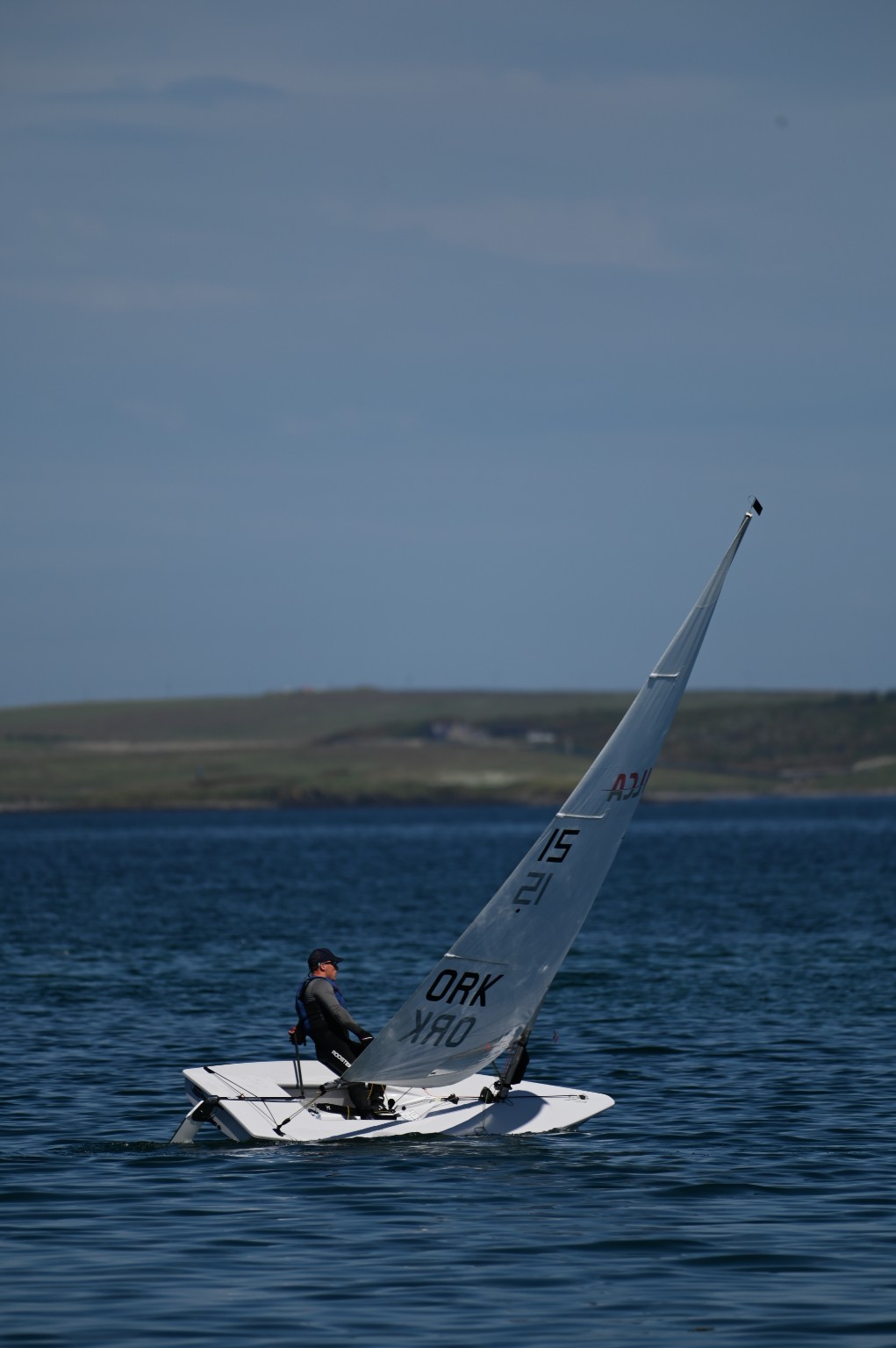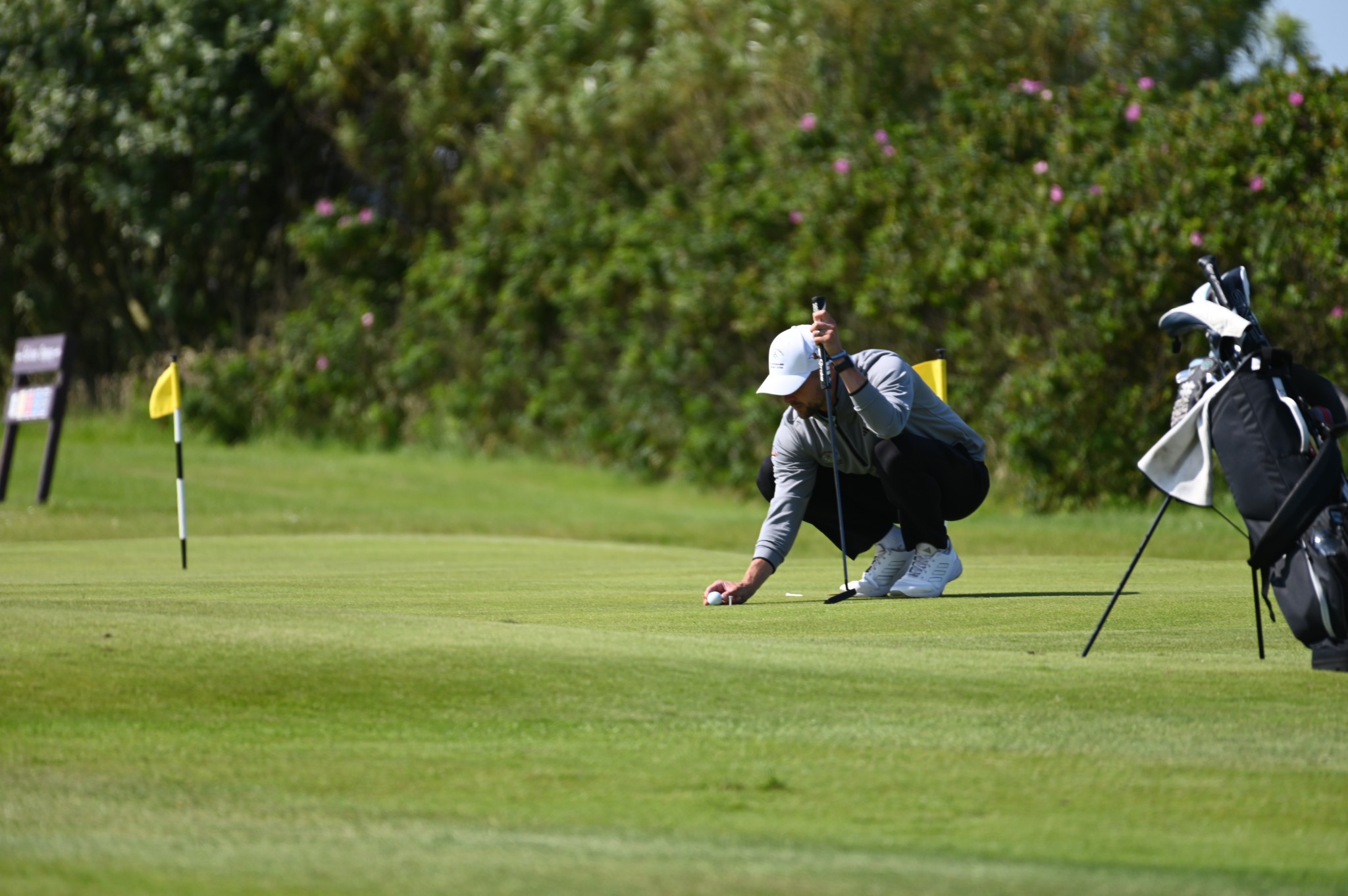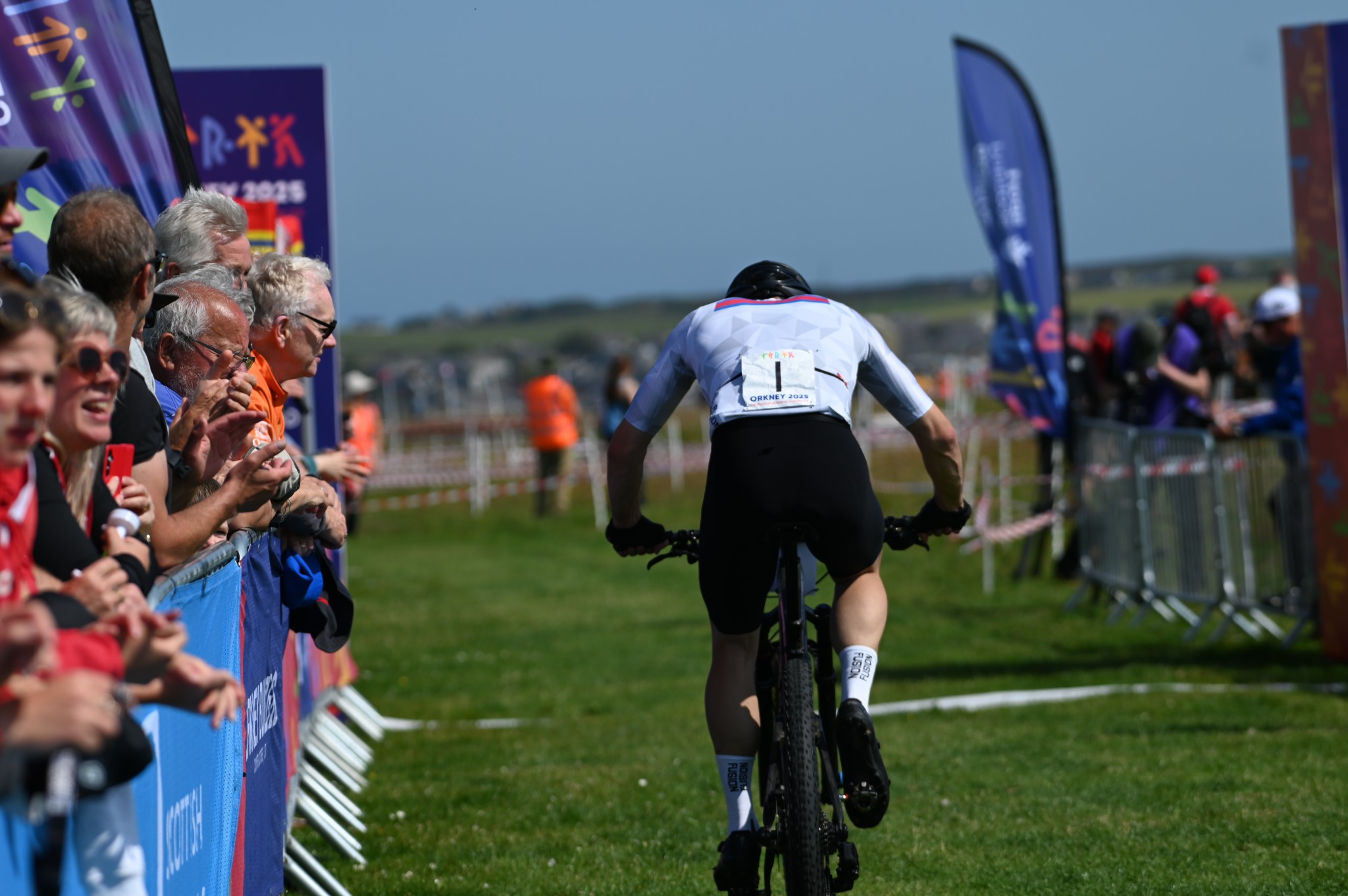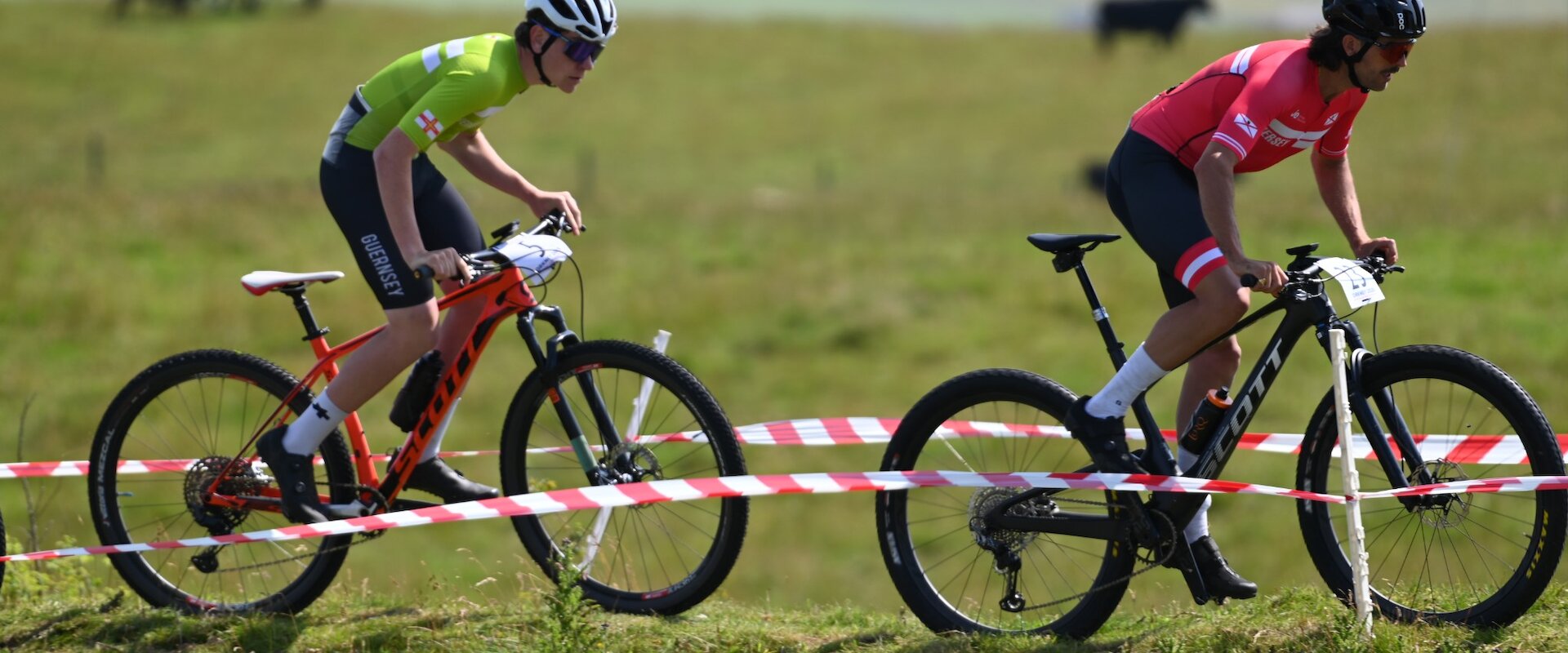

The weather was Mediterranean for the entire week of sporting action. The scale and smooth running of the event were a credit to the organisers.
Transporting athletes between islands, ensuring venues were competition ready, and housing delegations from across the world was no small feat. Yet Orkney rose to the occasion.
The sense of pride among locals was palpable, and visitors spoke warmly of the hospitality and atmosphere.
The Pickaquoy Sports Centre in Kirkwall, or Picky as it is known locally, was the centre of the action. But football, bowls, cycling and nine other sports took place across the islands.
I have two sporting highlights from the week. The start of the triathlon in Stromness Harbour was magnificent. Forty men, followed 15 minutes later by 30 or so women, plunged into the sea. They swam 1,500 metres, then cycled and ran around the streets of the old village. It was utterly memorable and as exciting as sport gets.
The second was the final of the 400 metre flat at the Picky running track. Shetland’s Bobby Laurenson, a newcomer to national and international competition at just 18, was fifth coming off the final bend. Then he kicked like the great American sprinter Michael Johnson, storming to silver and narrowly missing out on gold – a phenomenal run!
As a Shetland resident, we gloried in 17 medals over the week, but were outshone by Orkney’s magnificent haul of 31, including 11 golds. The old saying about home field advantage in sport is entirely accurate.
The deafening home crowd’s support for their golden girl Taylah Paterson, who took both sprint golds, was quite something. Shetland’s Katie Dunwoodie medalled in both races too, but she must have felt she was competing against 1,000 Orcadians rather than just one.
The salmon sector sponsored the Games itself and supported individual teams. It was not just sponsorship logos or team kits that showed the sector’s involvement. Our members also provided safety vessels for sailing competitions, and volunteers to help the week run smoothly.
Many of the volunteers are part of the local farms and supply chain workforce. It was a genuine show of support. This is community. It is also social licence.
Everyone who left Orkney after witnessing and participating in the excitement, camaraderie and friendships of the Island Games will be looking forward to Faroes 2027. The Shetland supporters’ club have already started exploring travel options to the north. We may even take our Viking replica longship.
Looking forward to the Faroes
In amongst the schedule of cycling, golf and other sports, time was made for business. I had an excellent catch-up with Hannah Fennell, who runs Orkney’s fishing association. She is also the current President of the Scottish Fishermen’s Federation and brings her island experience to wider national discussions.
Orkney Islands Council hosted a reception for the Games in a wonderful Kirkwall church hall. Oliver Reid, the local authority chief, like many in his position, is trying to make limited funds go further. One current source of income is Crown Estate Scotland’s communities fund. This is allocated to local authorities but, as the council observes, the formula is not properly weighted in favour of the islands. Given that the salmon farming sector generates this income, we too want to see a better and more transparent system of funding.
Currently, the system does not properly reflect the scale of marine activity around island communities. A fairer model would take account of how much is generated locally, ensuring communities that host and support salmon farming feel the direct benefit. That would help unlock further investment in skills, services and facilities.
In the days of European Commission investment in roads, bridges and projects across the Highlands and Islands, there were many signs with the EU symbol. That is what we should aim to achieve again, not only in Orkney but across the rural farming areas.
Signs that show local projects have been supported by the salmon sector would make a difference. That would immediately help improve social licence. It is not the people already working in or with the sector we need to reach. It is those with no understanding of what we do, including visitors, who would see the wider contribution. That would be a major step forward.
Crown Estate Scotland is currently consulting on its corporate plan. We have proposed this change to help achieve better goals for the lease monies paid by our companies.
Looking ahead to 2027, the baton has been passed. The opportunity now is to build on Orkney’s momentum and encourage even greater participation.
The connections between island communities go beyond sport. Salmon farming links Orkney, Shetland and the Faroes through shared challenges and ambitions. From training and research to new technology, these relationships matter and events like the Island Games only strengthen them.
The salmon sector there is already invested in the Games, as Bakkafrost Scotland sponsored the Western Isles team. People are already looking forward to making the sporting and island pilgrimage north.
Opinion piece written by Tavish Scott for Fish Farmer Magazine - Posted originally on Fish Farmer Magazine website (13/08/25)