
Salmon Scotland and Fisheries Management Scotland have developed a joint approach to direct funding towards conservation work following escape incidents.
The Scottish Government has welcomed the agreement as an example of organisations working together to support wild salmon.
A new independent company will administer the scheme, with directors drawn from both the farmed and wild fisheries management sectors.
Money raised through the scheme will go directly into projects supporting Scotland’s iconic wild salmon.
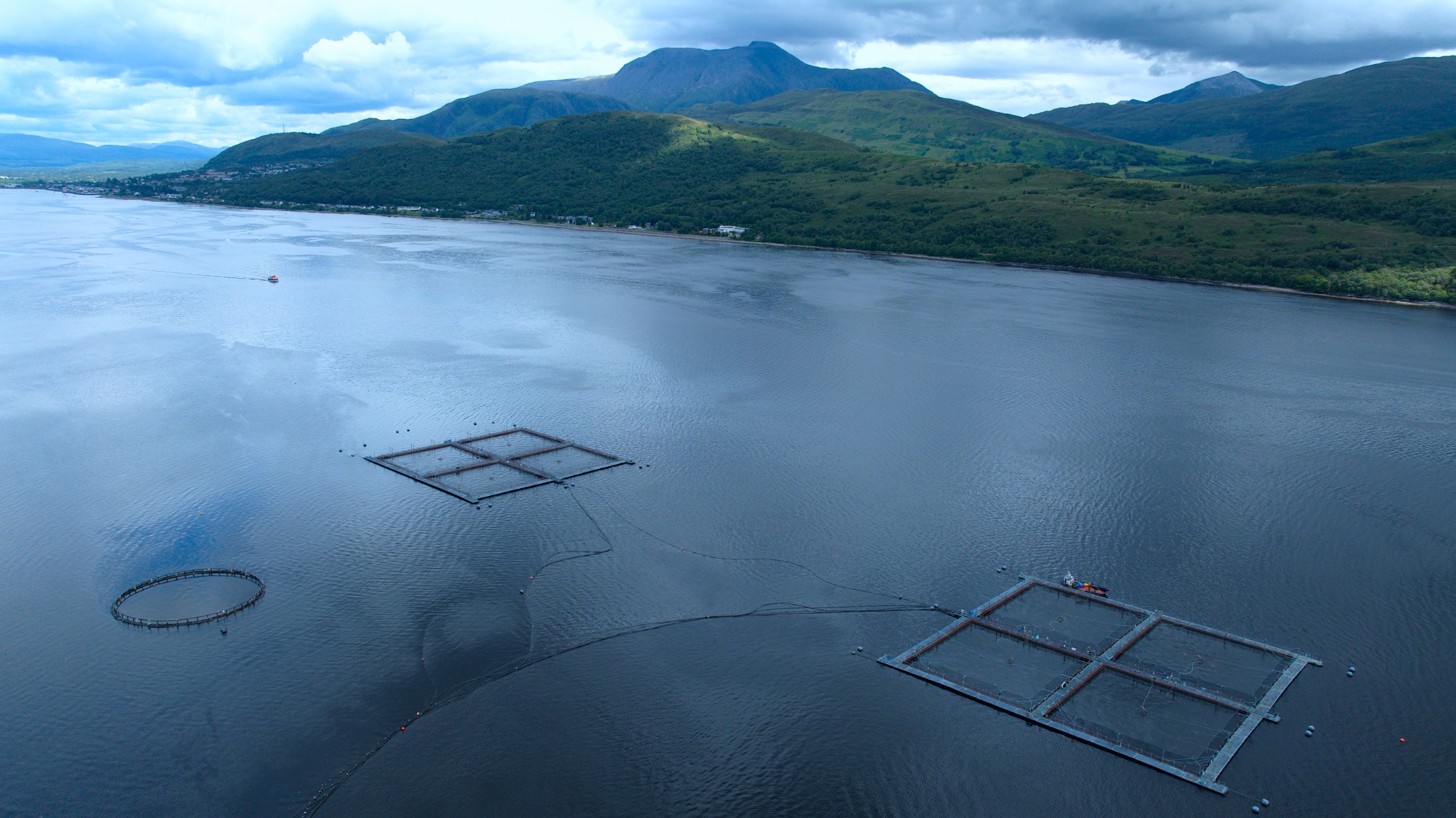
Escape incidents are rare, and farmers continue to work towards the ambition of zero escapes through investment in strengthened nets, farm infrastructure, and containment systems.
The new agreement builds on that work by establishing a dedicated funding mechanism for conservation work following escapes.
It will be embedded in the sector’s Code of Good Practice, which is independently audited and treated as a requirement by salmon farming companies and retailers.
Scotland’s wild Atlantic salmon are in long-term decline, with many local populations under significant conservation pressure. As recognised in Scotland’s Wild Salmon Strategy, wild salmon are subject to a wide range of pressures, including escaped
farmed fish. Other pressures include climate change, predation, barriers to migration, and pressures at sea.
The new scheme, which builds on recommendations set out by the Salmon Interactions Working Group in 2020, provides a practical way for farmers to support conservation work where escapes occur.
In the event of a significant escape, farmers will also fund research to assess whether escaped fish have bred with local wild salmon populations.
Where evidence shows a clear impact on wild fish populations, additional contributions towards conservation work will be made over subsequent years.
Payments will be made on a scaled basis linked to the size of an escape, with a maximum cap in line with financial penalties available under Scottish marine legislation.
Gillian Martin, Cabinet Secretary for Climate Action and Rural Affairs, said:
“I welcome the leadership shown by Salmon Scotland and Fisheries Management Scotland to deliver positive change which demonstrates our collective commitment to supporting wild salmon and is an exemplar of what can be achieved by collaborative working to achieve a common goal.
“This new initiative will deliver on the ambitions of the Salmon Interactions Working Group to introduce a scheme to ring-fence funds to support conservation and research projects.
“We will continue to work with the sector to reduce the risk of fish farm escapes as we strive towards the NASCO International Goals. However, where escapes do occur, I welcome the further action and collaboration that this new scheme will support.”
Dr Alan Wells, chief executive of Fisheries Management Scotland, said:
“This initiative demonstrates the value of constructive engagement between wild fisheries and sectors whose activities can present a pressure on wild salmon.
“We welcome the opportunity to work directly with the salmon farming industry to develop and deliver a practical, proportionate approach that supports conservation outcomes.
“Wild salmon face a range of complex pressures, and it is vital that progress is made across all of them.
“We hope this initiative sets a positive example of how different sectors can take responsibility and implement meaningful action.
“In doing so, we can help secure a better future for Scotland’s wild salmon.”
Tavish Scott, chief executive of Salmon Scotland, said:
“Wild salmon are part of Scotland’s identity, and salmon farmers will continue playing their part in supporting recovery efforts.
“This agreement is a practical way to support wild salmon conservation when rare escape incidents occur.
“We recognise the importance of maintaining public confidence and welcome this opportunity to work closely with wild fisheries interests.
“Our members continue to invest in wild fish conservation, as well as strengthened infrastructure and containment systems, as part of the ambition of zero escapes.”