The Stornoway Angling Association on Lewis used a £25,000 grant to repair the 14-metre holding dam on the River Creed, securing water flow for migrating salmon and sea trout.
It is one of 10 projects across Scotland sharing £230,000 from Salmon Scotland’s wild fisheries fund, part of a £1.5 million commitment to conserve, restore, and sustainably manage wild fish populations.
This year’s grants cover practical conservation, habitat restoration, and scientific research.
Built decades ago from rock, shingle, and mortar, the dam’s remote location made volunteer repairs impossible, so specialist contractors were brought in.
The work will keep the dam safe for years to come, protecting the river’s fish stocks.
Cameron Cranston, of the Stornoway Angling Association, said:
“We’re very grateful to Salmon Scotland’s wild fisheries fund for supporting essential repairs to a key holding dam on the River Creed.
“As leaseholders of the fishing rights, we know how critical water control is on this spate river, and this structure is central to that.
“The original dam was badly deteriorating and at risk of failing in high water.
“Thanks to the funding, we were able to carry out repairs during a dry spell, securing the structure for years to come and removing a major concern for the team.”
Wild salmon and sea trout populations have been in long-term decline due to habitat loss, warming rivers, and migration obstacles.
Survival at sea has fallen to between one and five per cent, compared with around 25 per cent 30 years ago.
Other pressures include invasive plants, predators such as birds, fish, and seals, and obstacles including dams and weirs.
Scotland’s salmon farming companies, which operate on the west coast, Orkney, and Shetland, set up the wild fisheries fund to help find practical solutions.
Previously called the ‘wild salmonid fund’, around £475,000 has already been invested since 2021.
This includes a £35,000 grant to save the leaking Fincastle Dam on West Harris, helping preserve an important salmon fishery.
The fund is co-ordinated by fishery manager Jon Gibb in Fort William, who has worked to build constructive links between farmed salmon producers and the wider fisheries and angling community.
Tavish Scott, chief executive of Salmon Scotland, said:
“Wild salmon is one of Scotland’s most iconic species, but populations continue to face significant pressures from habitat loss, climate change, and predation.
“Scotland’s salmon farmers are committed to finding solutions, working constructively with the wild fish sector, and taking meaningful action to protect wild salmon and sea trout.
“Through the wild fisheries fund, we are supporting community-led projects that restore rivers, improve spawning grounds, and give wild salmon and sea trout a better chance of survival.
“Our members not only provide funding but also share expertise developed from the successful farm-raised salmon sector, helping ensure that restoration and conservation efforts are as effective as possible.”
Jon Gibb, co-ordinator of the Salmon Scotland wild fisheries fund, said:
“This crucial funding gives rural and coastal communities vital support to protect wild salmon and sea trout.
“This keystone species faces serious threats both in rivers and at sea, and projects that help understand and tackle these challenges are urgently needed.
“These 10 projects show how communities are taking practical action, from restoring habitats to gene bank research and long-term monitoring.
“It’s inspiring to see local groups, trusts and fisheries working together to safeguard these species and demonstrate how community-led conservation can make a real difference.”
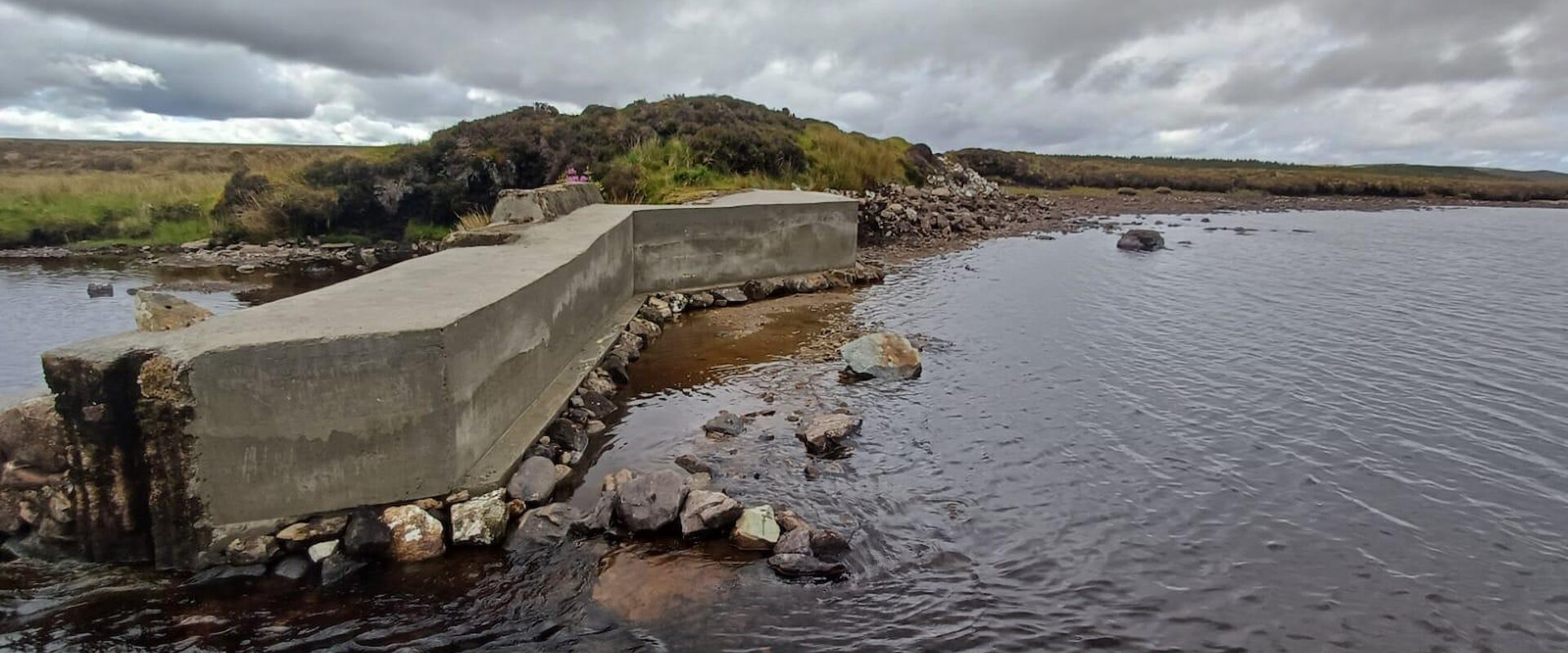

Scottish salmon farmers have helped save a crucial Western Isles dam from destruction.