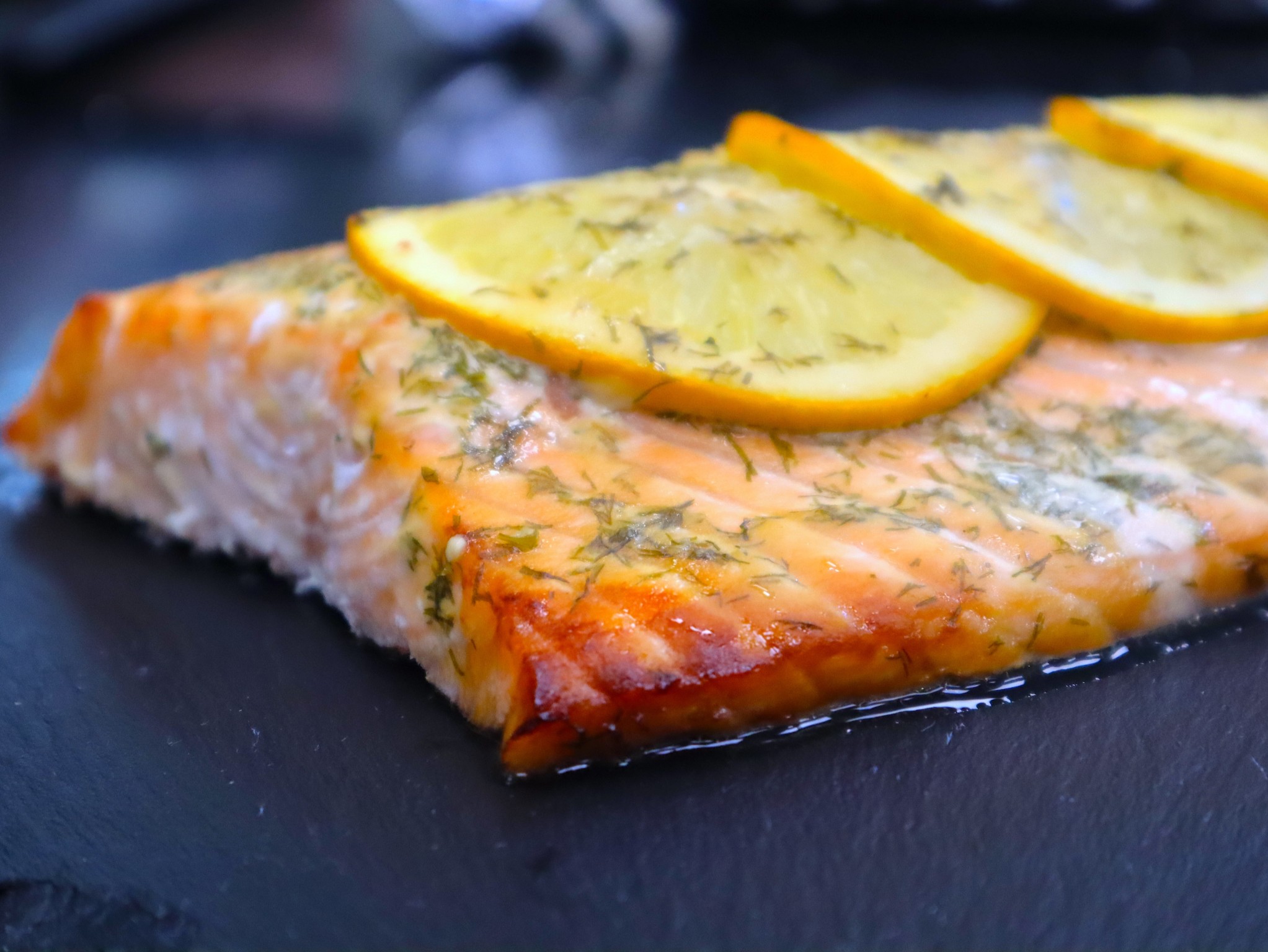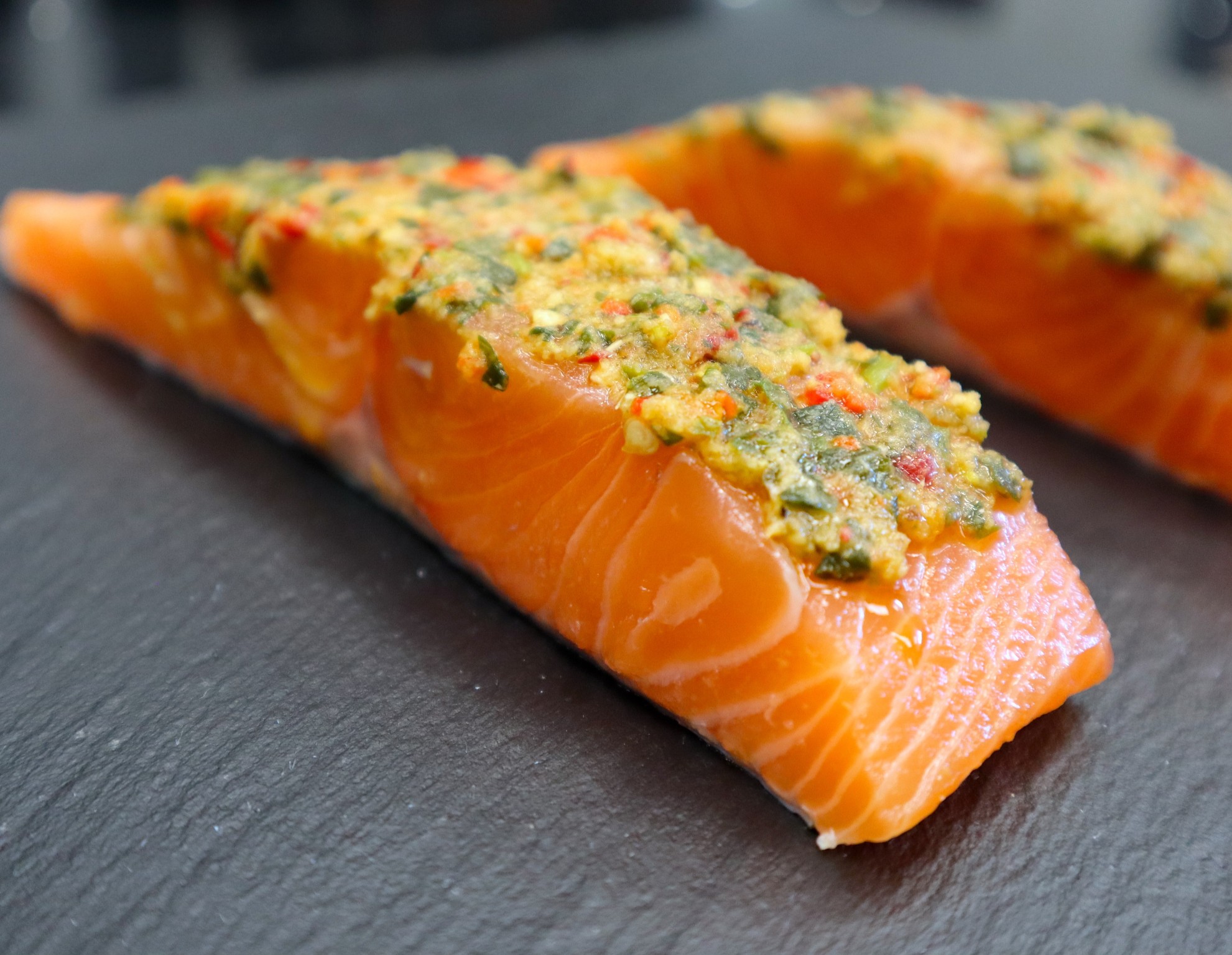

The Rowett Institute at the University of Aberdeen found that farmed Scottish salmon is a rich source of essential nutrients, including vitamin D, omega-3, and high-quality protein.
Researchers reported that vitamin D3 levels in one recent study of Scottish salmon samples were notably higher than those recorded in older UK and Norwegian salmon data.

The report reviewed published studies and fish farm data on the health and nutrition benefits of salmon and wider fish consumption.
Vitamin D3 is the form of vitamin D found naturally in oily fish, and helps build and maintain strong bones and muscles while supporting the immune system.
Researchers said eating salmon can support heart health, help boost omega-3 status, and make a meaningful contribution to vitamin D intake.
They concluded that Scottish farmed salmon is a nutrient-rich food which can support healthier diets.
The report found strong published evidence linking regular fish consumption with a lower risk of cardiovascular disease, with studies showing people who eat two to four portions of fish a week have a 21 per cent lower risk of dying from coronary heart disease and a nine per cent lower risk of stroke.

The report said salmon consumption can improve omega-3 and vitamin D levels, while supporting markers linked to heart health.
One Scottish study cited in the report found that eating salmon each day reduced triglycerides – a type of fat in the blood linked to heart disease risk – by 15 per cent.
It also lowered “bad” LDL cholesterol by seven per cent, increased “good” HDL cholesterol by five per cent, and reduced blood pressure.
The report said eating fish during pregnancy has also been linked to benefits in early childhood, including improved cognitive, language, and behavioural development.
It also found that UK consumers are eating less than half the recommended amount of fish, with people in the lowest-income households eating around 100 grams a week, compared with the recommended 280 grams.
Researchers said encouraging children to eat fish from an early age, including through school meals, could help improve diets and build long-term familiarity with seafood.
As part of the report, Rowett researchers compared nutritional analysis of salmon from Scottish producers with older UK and Norwegian nutrition datasets.
The Scottish samples, analysed in 2024 and 2025, were compared with UK salmon data from 2003 and Norwegian data collected between 2006 and 2019.
One significant difference was vitamin D3. The Scottish farm samples recorded around 9 micrograms per 100 grams, compared with around 5 micrograms in the older UK data and around 7 micrograms in the Norwegian data.
The analysis also found that total fat, saturated fat, and protein levels were broadly comparable with salmon analysed over the past 20 years.
While changes in salmon feed over the past two decades have affected omega-3 levels, the report said farmed salmon remains a valuable source of key nutrients, including EPA and DHA – the omega-3 fatty acids associated with many of salmon’s health benefits.
It also cited human trials showing that salmon raised on modern feeds still improved omega-3 status and markers of heart health, including blood fats.
Professor Baukje de Roos, who led the report at the Rowett Institute, University of Aberdeen, said:
“This report looked at the published evidence on fish and salmon consumption, including recent analysis of Scottish farmed salmon.
“We found that Scottish farmed salmon is a rich source of important nutrients, including vitamin D, omega-3 fatty acids, and high-quality protein.
“The evidence shows that eating fish regularly is linked with important health benefits, particularly for heart health.
“Our analysis also found higher vitamin D3 levels in the Scottish salmon samples than in older UK and Norwegian salmon data. While eating salmon cannot replace sunlight exposure or vitamin D supplements, it can make a meaningful contribution to vitamin D status.
“At the same time, people in the UK are still eating less fish than recommended, across all income groups.”
Tavish Scott, chief executive of Salmon Scotland, said:
“This report is a welcome reminder that Scottish salmon is one of the most nutritious foods produced in this country.
“It is packed with vitamin D, omega-3, and high-quality protein, and the evidence shows it can play an important role in healthy, balanced diets.
“At a time when people across the UK are eating far less fish than recommended, Scottish salmon offers a simple, healthy, and delicious way to get more of the nutrients many of us need.
“Our farmers are proud to rear a world-class food enjoyed at home and overseas, while supporting jobs and communities in coastal and rural Scotland.”
Read the report here.