
The UK already relies on imports for a substantial share of its food, with around 60 per cent coming from domestic production and 40 per cent from overseas. Trade will always matter, but relying more on imports can leave households more exposed to disruption, higher costs, and less control over how food is produced. Strong domestic production helps make the food system more resilient.
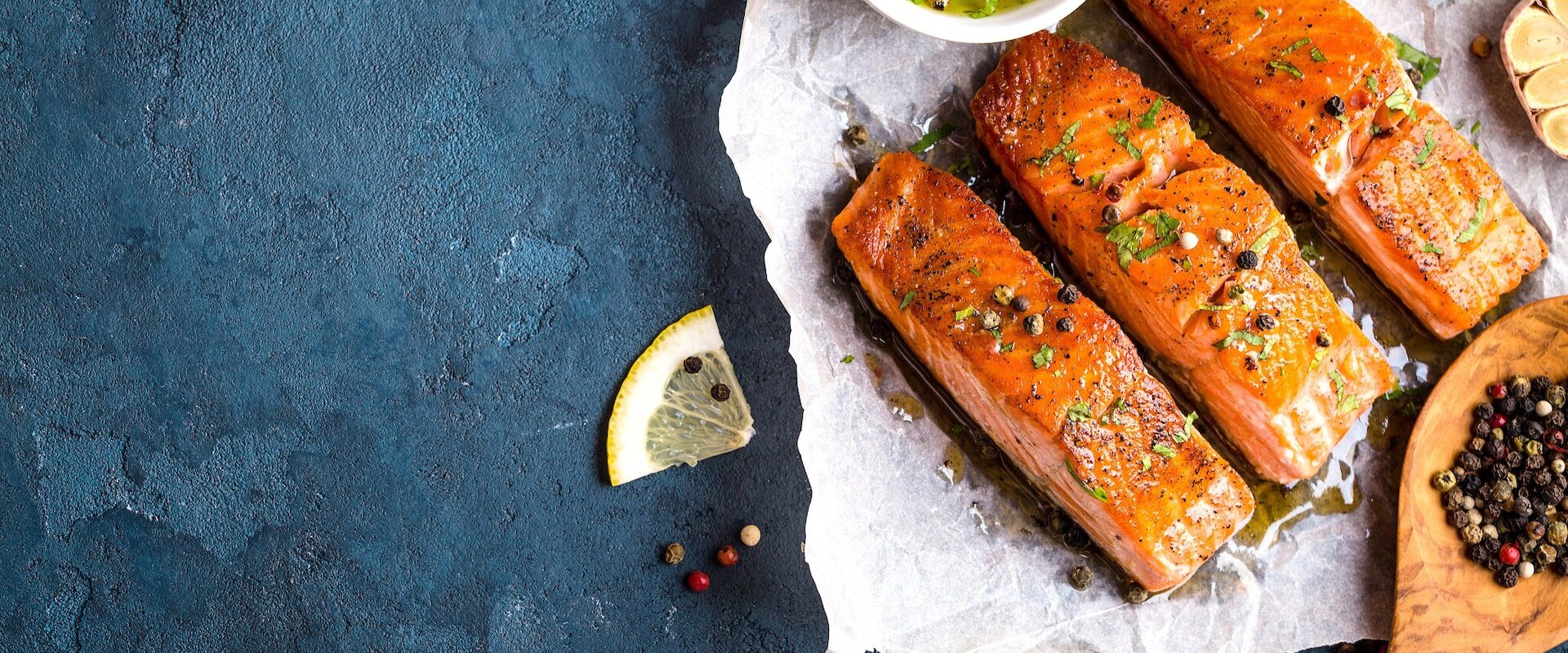
Scottish salmon contributes through scale, reliability, and year round supply. It is the UK’s most popular fish, with sales of £1.5 billion a year, and production around Scotland’s west coast, Highlands, and islands provides around 850 million healthy, nutritious meals every year. That means salmon is not a niche product. It is a familiar, nutritious food that people already choose and rely on at scale.
Standards matter too. Scottish salmon is produced under a strict regulatory system, with strong requirements on food safety, fish health, welfare, and environmental management, as well as full traceability from farm to plate. That is not always true of imported alternatives, which may come from countries operating under very different rules and standards.
There is an environmental case for backing domestic production too. Scottish salmon has a lower carbon footprint than many other animal proteins, and replacing locally produced food with imports usually means longer supply chains, more transport, and higher emissions. Cutting UK production would not remove demand for salmon. It would simply increase reliance on imports, often from producers much further away.
Scottish salmon also supports jobs and economic activity in rural and coastal communities, helping sustain the people and infrastructure behind domestic food production. In short, it makes a clear contribution to UK food security. It is nutritious food, produced at home, at scale, to high standards, and available throughout the year. In a less predictable world, that matters.